Demand for sulfate-free and organic shampoo is no longer niche — it is a default expectation for many modern beauty buyers. But “sulfate-free” and “organic” are not single ingredients; they are formulation philosophies with real technical and regulatory implications. Brands that brief their manufacturer clearly get a better product faster. This article is a practical formulation brief for teams developing sulfate-free or organic shampoo with an OEM/ODM partner.
Sulfate-Free: What It Really Means
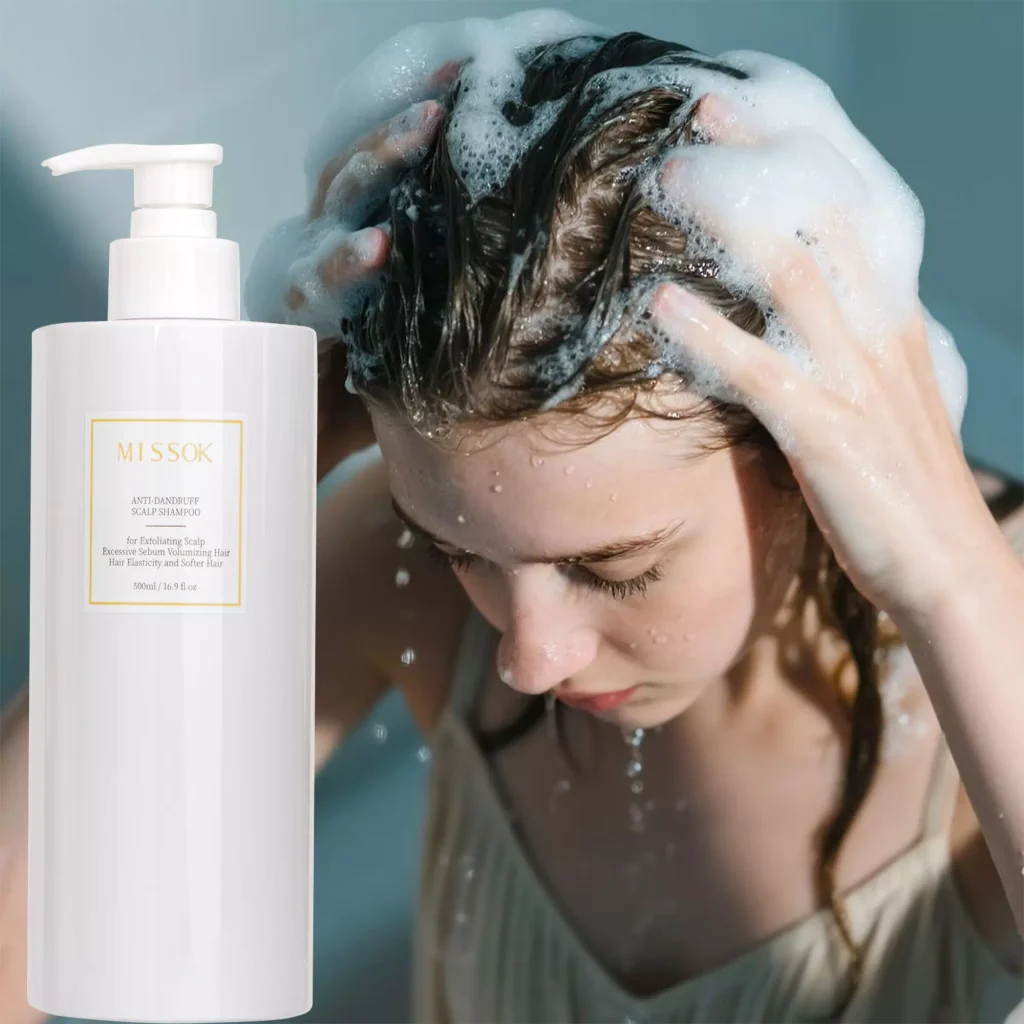
Sulfates such as SLS (sodium lauryl sulfate) and SLES (sodium laureth sulfate) are inexpensive, high-foam surfactants. “Sulfate-free” shampoos replace them with milder surfactants — often coco-glucoside, decyl glucoside, sodium cocoyl isethionate, or cocamidopropyl betaine — that cleanse effectively with less irritation.
Key formulation considerations:
- Foam profile — sulfate-free bases lather less; set the right expectation with customers.
- Viscosity — mild surfactants may need different thickeners (e.g., guar hydroxypropyltrimonium chloride).
- Preservation — milder systems still require a robust preservative strategy.
- Cost — sulfate-free surfactants are typically more expensive; plan margin accordingly.
A capable custom formulation team will balance foam, feel, and cost to hit your target price point.
Organic & Natural: Claims and Limits
“Organic” in cosmetics is regulated differently than in food, and varies by market:
- EU — the COSMOS standard is the common organic/natural benchmark; synthetic-free thresholds apply.
- US — the USDA organic seal rarely applies to rinse-off cosmetics; “made with organic extracts” is more common.
- Asia — claims must align with local advertising and cosmetic laws.
Be precise: “contains organic-certified botanical extracts” is defensible; “100% organic shampoo” is usually not, because functional surfactants and preservatives are not agricultural inputs.
Building the Brief for Your Manufacturer
A strong brief accelerates sampling. Include:
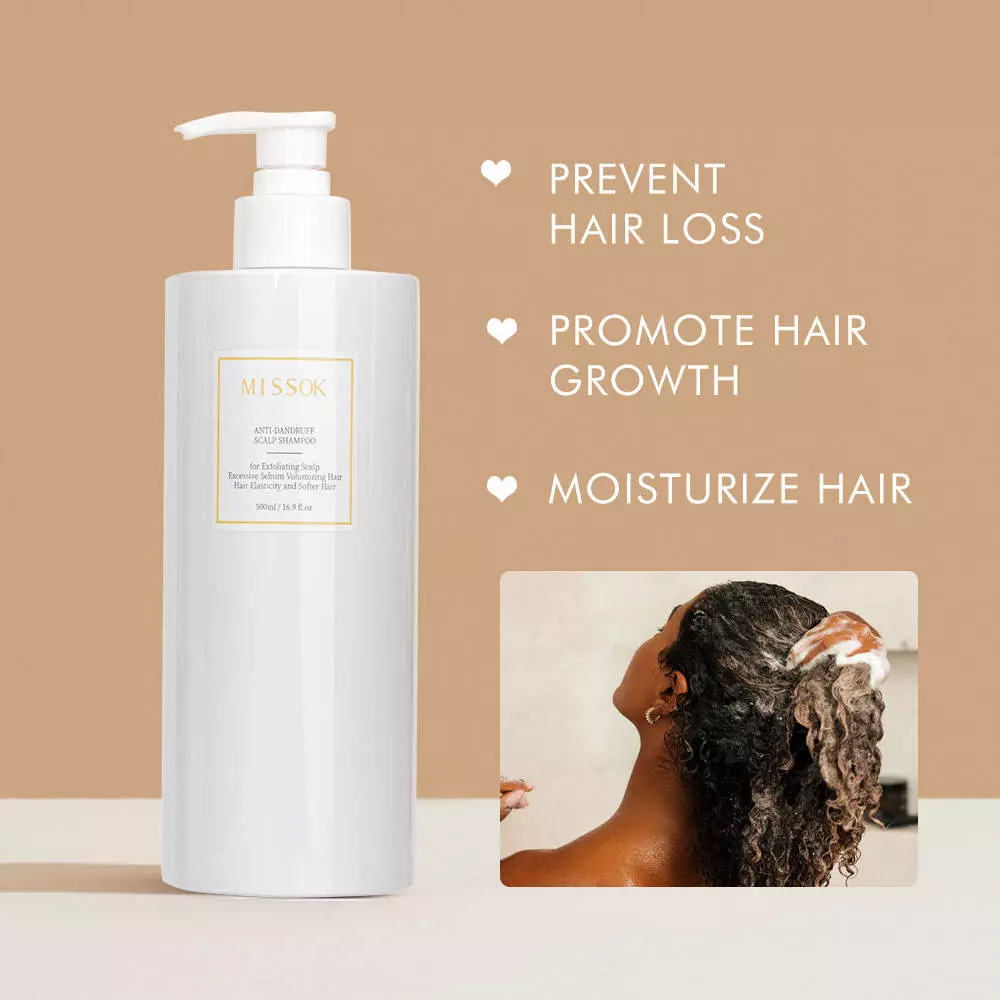
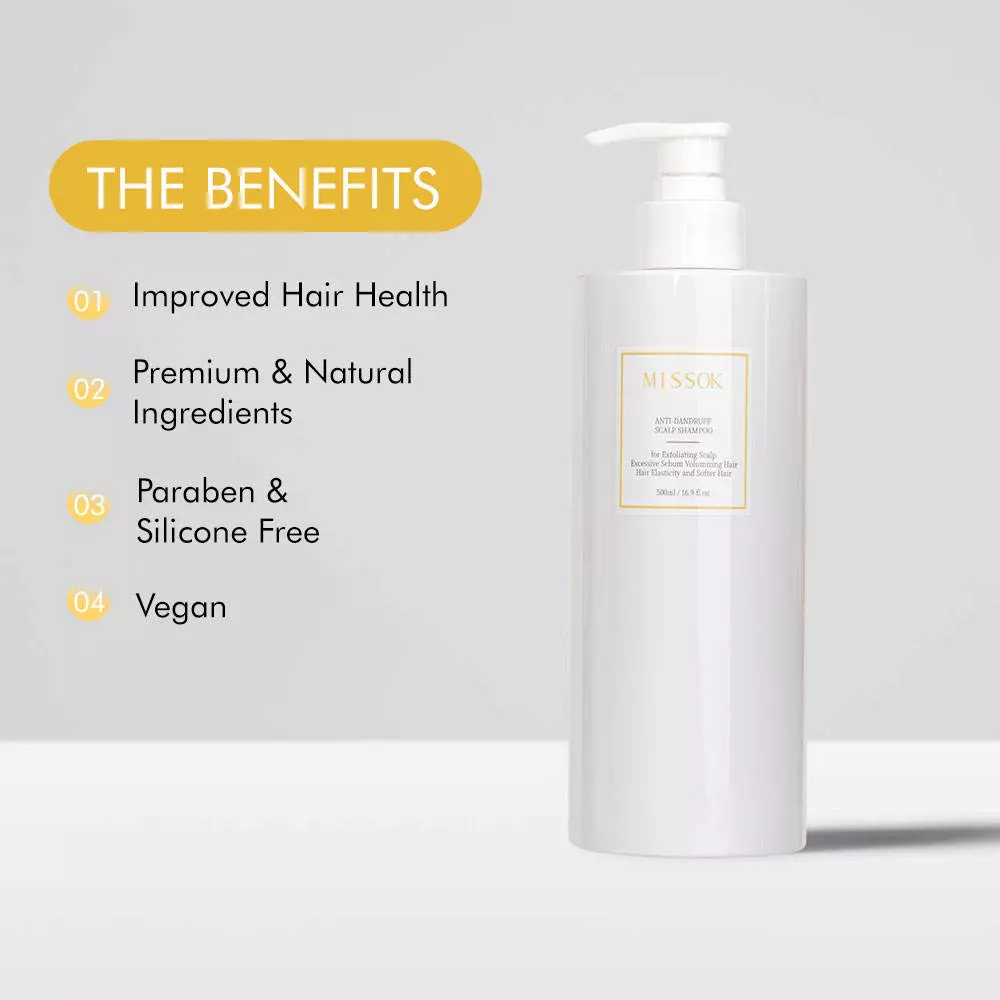
- Target claim — sulfate-free, silicone-free, vegan, organic extracts, etc.
- Hair type — oily, dry, damaged, color-treated, curly.
- Texture & fragrance — light/creamy, unscented or specific scent family.
- Must-avoid list — sulfates, silicones, parabens, certain allergens.
- Target pH — scalp-friendly around 5.0–6.0.
- Shelf life & market — drives preservative and compliance choices.
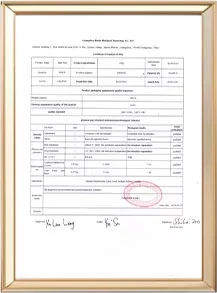
Qianlan Shampoo Factory, a Guangzhou OEM/ODM manufacturer established in 2005, develops custom formulations for global brands from its 25,000 m² facility with 10 automated production lines and a monthly capacity of 5 million units, certified to ISO 22716 GMP, FDA, EU REACH, ASEAN, CE, and ISO standards.
Ingredient Options Worth Knowing
- Cleansing — coco-glucoside, sodium cocoyl isethionate, decyl glucoside.
- Conditioning — hydrolyzed protein, panthenol (provitamin B5), betaine.
- Botanicals — aloe, chamomile, argan, rosemary, tea tree, ginseng extracts.
- Functional actives — biotin, caffeine, niacinamide for specific hair claims.
A good R&D partner will help you choose actives that are stable, soluble, and claim-supportable.
Compliance & Certification
For cross-border sales, confirm:
- FDA (US) — ingredient and labeling compliance.
- EU REACH — substance registration and restrictions.
- ASEAN — harmonized cosmetic notification.
- ISO 22716 GMP — manufacturing quality system.
- CE / ISO — where applicable to your market.
Always request a Certificate of Analysis (COA) and, for export, the supporting compliance documents per batch.
Common Pitfalls
- Vague claims — “natural” without definition invites regulator scrutiny.
- Unstable actives — some botanicals degrade; require stability testing.
- Overpromising — avoid drug-like claims (e.g., “cures hair loss”) that trigger advertising bans.
- Ignoring texture — a great claim in a poor-feel base still fails with customers.
OEM vs ODM for Sulfate-Free / Organic
- ODM — start from a proven sulfate-free base and tweak botanicals; fastest path.
- OEM — fully custom formula built to your spec; more differentiation, longer lead time.
- Private label — use an existing certified formula; lowest cost for launch.
FAQ
Q: Can a sulfate-free shampoo still lather well?
A: It lathers less than SLS-based formulas but can be engineered for a pleasant, creamy foam using mild surfactant blends.
Q: Is “organic shampoo” truly 100% organic?
A: Usually not — functional surfactants and preservatives are not agricultural. Defensible claims reference organic-certified extracts.
Q: Which certifications matter for export?
A: ISO 22716 GMP plus market-specific compliance (FDA, EU REACH, ASEAN), with CE/ISO where applicable.
Brief Qianlan for Your Next Formula
Clear claims, a precise avoid-list, and target market are the foundation of a great sulfate-free or organic shampoo.
Contact Qianlan Shampoo Factory for free formulation development and samples, and turn your brief into a compliant, market-ready product.
Related: Low MOQ Shampoo Manufacturer: Launch Your Private Label Brand · Explore our shampoo range