Guangdong is the beating heart of China’s personal-care manufacturing. If you are sourcing a shampoo OEM factory, this province offers unmatched density of suppliers, mature supply chains, and export logistics. But with hundreds of factories to choose from, how do you pick the right one? This checklist covers the factors that actually matter.
Understand OEM vs ODM
Before shortlisting, clarify the model. OEM (original equipment manufacturing) means you bring the formula or spec and the factory produces it. ODM (original design manufacturing) means the factory also designs the product. Many Guangdong factories do both, but knowing your need shapes the conversation and the quote.
Certifications and Compliance
Compliance is non-negotiable for export. At minimum, verify:
– GMPC / ISO 22716 – cosmetic GMP standards.
– ISO 9001 – quality management.
– FDA registration (for US-bound goods) or equivalent market approvals.
– Social audits – BSCI, SEDEX, or similar, if your buyers require them.
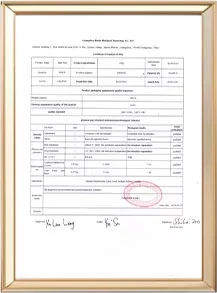
A reputable shampoo OEM factory will share certificates without hesitation and allow third-party inspection.
Production Capacity and Flexibility
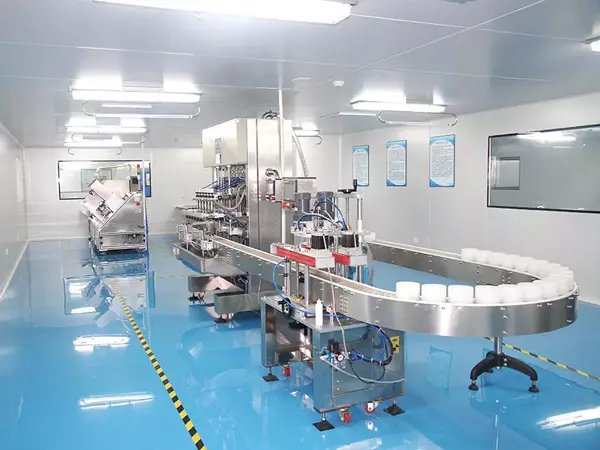
Ask about daily or monthly output, number of filling lines, and whether they handle both low-MOQ trials and mass production. Capacity matters less than flexibility: can they scale with you from 1,000 to 100,000 units without a painful re-qualification?
Minimum Order Quantity (MOQ)
MOQ defines your cash flow risk. Guangdong factories vary widely—some accept a few hundred units for test runs, others start at 3,000–5,000. Match MOQ to your launch stage, and negotiate tiered pricing as volumes grow.
Lead Time and Planning
Typical lead times run 15–30 days after artwork confirmation, but can stretch during peak season. Build buffer into your launch calendar, and confirm whether the factory manages raw-material inventory to avoid delays.
R&D and Formulation Strength
The best partners don’t just fill bottles—they formulate. Evaluate their lab team, claim substantiation, and ability to develop sulfate-free, vegan, or clinically positioned shampoos. Strong R&D reduces your dependency on external consultants and speeds iteration.
Supply Chain and Logistics Advantages
Guangdong’s edge is ecosystem density: ingredient suppliers, bottle molders, label printers, and ports (Shenzhen, Guangzhou) are all nearby. This compresses lead times and freight cost. When comparing quotes, factor in total landed cost, not just ex-works price.
Quality Control and Testing
Confirm stability testing, microbial limits, and batch records. Request a standard COA (certificate of analysis) per batch. A disciplined shampoo OEM factory treats QC as a selling point, not a chore, and welcomes audit requests.
Communication and English Support
Smooth communication prevents costly errors. Assess response time, documentation quality, and whether they assign a dedicated account manager for export clients. Language friction is a common cause of specification mistakes.
Reference Checks
Ask for references or case studies of brands they produce for. A confident factory will point to successful collaborations; evasiveness is a red flag. Where possible, speak to an existing customer off-list.
Red Flags to Avoid
– Refusing to share certificates.
– Vague answers on lead time or MOQ.
– No formal QC documentation.
– Pressure to skip compliance steps.
– Unwillingness to sign an NNN or confidentiality agreement.
Negotiating the Contract
Protect yourself with clear terms on IP ownership, exclusivity (if any), defect rates, and reorder pricing. A professional Guangdong factory expects this and will negotiate in good faith.
Requesting a Sample and Trial Run
Before committing, order a paid sample or small trial batch. Evaluate scent, viscosity, lather, and stability. A trustworthy shampoo OEM factory encourages sampling because confident product speaks for itself, and the trial also validates the working relationship before volume is at stake.
Understanding the Cost Breakdown
Unit price typically includes raw materials, filling, packaging, and labeling. Ask for a transparent breakdown so you can see where savings come from at higher volumes. Freight, duties, and certification are separate line items to budget honestly rather than discover later. A reputable shampoo OEM factory will itemize each component so you can compare quotes like for like and avoid surprise charges buried in a single number.
Peak Season Planning
Chinese New Year and major holiday periods tighten capacity across the province. Book production slots early and confirm raw-material stock for your SKUs. Factories that plan ahead protect your launch dates when the whole region is under pressure.
After-Sales and Reorders
Clarify how the factory handles defects, returns, and reorder lead times. A dependable partner supports you after the first shipment, not just during the sale, and makes scaling to repeat orders predictable.
Conclusion
Choosing a shampoo OEM factory in Guangdong is about balancing compliance, capacity, and communication. The right partner becomes a growth engine, not just a supplier.
Start a conversation with our Guangdong team through the [contact page](https://theshampoofactory.com/contact) to discuss MOQ, lead time, and formulation options tailored to your brand.