When you source hair-care production in China, two terms come up constantly: OEM and contract manufacturing. Buyers often use them interchangeably, but the distinction affects control, cost, and speed. Knowing the difference helps you pick the right shampoo OEM factory for your stage.
OEM: you bring the spec
OEM (original equipment manufacturing) means the factory builds to your specification. You define formula, packaging, and claims; the manufacturer supplies capacity, labor, and often the raw-material supply chain. It is the default model for brands with a clear brief and some technical input.
Contract manufacturing: broader scope
Contract manufacturing is the wider umbrella. The partner may handle formulation, regulatory filing, packaging sourcing, filling, and even logistics. Where OEM emphasizes “we make what you designed,” contract manufacturing says “we run the whole production job.” For early brands without a technical team, contract manufacturing removes more burden.
Which should you choose
– Have a formula and specs? OEM is usually faster and cheaper.
– Need help with formulation and compliance? Contract manufacturing fits better.
– Tight on budget or volume? A low MOQ shampoo manufacturer model—common under contract arrangements—lets you start small and de-risk the launch.
Formulation ownership
A subtle but important point is who owns the formula. In pure OEM, you usually supply it, so ownership is clear. In contract manufacturing, the factory may develop it—clarify in writing whether you get exclusive rights or share a base with other clients. Exclusivity protects your positioning and prevents a competitor from launching the same product.
What to verify before signing
Regardless of the label, check the same fundamentals:
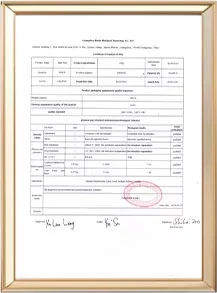
1. Certifications (GMPC, ISO) and a clean audit history.
2. Capacity and lead time at your expected volume.
3. Sample quality and consistency across batches.
4. IP protection for your formula and brand.
5. Transparent pricing that separates base, packaging, and filling.
Cost and risk trade-offs
OEM shifts more responsibility to you, which can lower cost but raises execution risk. Contract manufacturing bundles services, simplifying management at a premium. Match the model to your team’s capability, not just to the headline price.
Timeline comparison
OEM with a ready formula can move in weeks: sample, approve, produce. Contract manufacturing adds formulation and possibly regulatory steps, extending the clock but reducing your workload. Set expectations early so launch dates survive contact with reality.
Red flags to avoid
– Vague lead times with no batch evidence
– No documented quality system
– Reluctance to sign IP or confidentiality terms
– Pricing that hides filling or compliance fees
These signal operational immaturity more than any single missing certification.
Sample evaluation checklist
Before committing, run a proper sample review:
1. Visual — color, clarity, and fill consistency versus your brief.
2. Sensorial — foam, rinse feel, and residue match the target claim.
3. Stability — ask for accelerated aging data, not just a fresh sample.
4. Documentation — COA, MSDS, and ingredient list present and current.
A manufacturer that hands you this packet without being asked is already operating at the level you need.
Pilot run best practice
Start with a small paid pilot even if you intend to scale later. A pilot surfaces real lead times, communication gaps, and quality drift before you tie up working capital in a full order. Treat the pilot as the audition, not the contract.
When contract manufacturing beats OEM
If your team lacks formulation or regulatory staff, contract manufacturing is the safer path even at a small premium. The money you save on OEM admin you may lose fixing compliance or reprocessing bad batches. Buy the capability you do not have in-house.
Guangdong as the sourcing base
Guangdong concentrates cosmetic manufacturing, so both OEM and contract options are dense here. That density means competitive pricing and fast access to packaging suppliers. The challenge is selection—use a structured checklist and pilot before committing volume.
Making the decision
A shampoo contract manufacturer can be the difference between a slow, risky launch and a managed one. Choose the model that matches your readiness, verify the fundamentals, and scale from a proven pilot. The right partner does not just fill bottles; it removes the operational weight that stops most new brands from growing.
A simple selection scorecard
When several factories look similar on paper, score them on five points: formulation capability, certifications, communication speed, pilot flexibility, and pricing transparency. Weight formulation and communication highest early on—they predict whether your first launch actually ships on time. A scorecard turns a vague “good feeling” into a defensible choice you can revisit next season. Re-score the same factories after your first launch; the one that actually shipped on time and matched samples will earn the next, larger order. The factory you choose is less a vendor and more a co-founder of your first year, so decide with evidence, not urgency.