In 2026, the global hair care market has moved beyond basic cleansing. The industry is now driven by scalp-first solutions, biotechnology, and radical transparency. For entrepreneurs, salon owners, and e-commerce players looking to dive into this lucrative market, choosing the right private label shampoo manufacturer is the most critical step to success.
So, how do you find a partner that can turn your vision into a market-leading product?
Why Choose the Private Label Model?
Under a private label partnership, the manufacturer provides high-quality, market-proven formulas, allowing you to focus on branding, design, and marketing.
- Speed to Market: Skip the 12–18 month R&D cycle. Launch your brand in as little as a few weeks.
- Cost Efficiency: No need for expensive lab setups or high R&D overheads. Benefit from the manufacturer’s economies of scale.
- Flexibility: With lower Minimum Order Quantities (MOQs), you can test market trends and scale your product line with minimal risk.
Top 3 Shampoo Trends to Watch in 2026
If you are discussing formulations with a manufacturer, ensure they are aligned with these 2026 market drivers:
1. “Skinification” of Hair: Scalp-First Care
Consumers are now treating their scalp with the same intensity as their face. Look for manufacturers offering microbiome-friendly formulations, scalp exfoliants, and hair-growth serums.
2. Clean Beauty 3.0: Beyond “Free-From”
The standard has evolved. It’s no longer just about being sulfate-free or paraben-free. The focus is now on IFRA-certified natural fragrances, biodegradable ingredients, and reef-safe formulas.
3. High-Performance Biotech Actives
Bond-repair technology, plant peptides, and hair-plumping actives are the current star ingredients. Ensure your manufacturer has the technical capability to stabilize these active ingredients.
How to Screen a High-Quality Manufacturer
When evaluating a potential partner, focus on these four pillars:
I. Compliance and Certifications
Safety is the foundation of any personal care brand.
- GMP & ISO Certification: This is the baseline for international market entry.
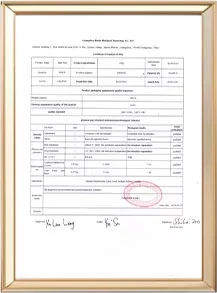
- Regulatory Documentation: Can they provide COA (Certificate of Analysis), MSDS (Material Safety Data Sheet), and help with product registration?
II. Customization Flexibility
While it is “Private Label,” total “cookie-cutter” formulas lack competitive edge.
- Tweaking Capabilities: Can the manufacturer adjust the scent, color, or add a specific signature active ingredient?
- Sensory Control: Can they refine the lather density, the “slip” during washing, and the long-lasting fragrance trail?
III. Sustainable Packaging Solutions
2026 consumers prioritize the planet.
- Eco-friendly Materials: Ask about PCR (Post-Consumer Recycled) plastics, bio-based materials, or refillable options.
- Turnkey Services: The best manufacturers offer one-stop solutions, from formulation and filling to labeling and secondary packaging.
IV. Lead Times and Responsiveness
- MOQ: For startups, a manageable MOQ (e.g., 500–1,000 units) is vital.
- Lead Time: Inquire about the production window. Top-tier manufacturers usually deliver within 25–40 days after design approval.
The Partnership Process: From Concept to Shelf
- Requirement Briefing: Define your target audience (e.g., damaged hair, oily scalp, or professional salon line).
- Sampling: Request samples to test the lather, cleansing power, and fragrance in real-world conditions.
- Branding & Design: Finalize bottle shapes, pump specs, and label aesthetics.
- Contract & Compliance: Sign agreements and complete necessary product filings/registrations.
- Mass Production: The factory begins manufacturing under strict Quality Control (QC).
- Delivery: Your brand is ready to hit the market.
Frequently Asked Questions (FAQ)
Q1: What is the typical MOQ for private label shampoo?
A: It depends on the formula. For stock formulas (ready-to-go), MOQs are often 500 – 1,000 bottles. For fully custom formulations, MOQs typically start at 3,000 – 5,000 bottles due to raw material procurement and production line setup.
Q2: Can I customize the fragrance and color?
A: Absolutely. Most private label programs offer a library of high-end fragrances (e.g., woody, floral, or essential oil blends) and color options to ensure the product matches your brand identity.
Q3: How long does it take to receive the finished product?
A: * Sampling: 7–10 business days.
- Production: 20–30 days once all packaging materials arrive at the facility.
- First-time Orders: We recommend allowing 2–3 months total to account for design and regulatory filings.
Q4: Do your products meet international export standards?
A: Yes. Our facilities are GMPC and ISO 22716 certified. We provide all necessary export documentation, including MSDS and COA, to ensure smooth entry into US, EU, and Southeast Asian markets.
Q5: Can I provide my own bottles and packaging?
A: Yes, we support “filling-only” services. However, we must perform compatibility testing first to ensure your packaging doesn’t react with the formula and fits our filling machinery.
Q6: Do you offer Vegan or Clean Beauty formulas?
A: Yes, this is our specialty. we offer a wide range of Sulfate-free, Silicone-free, and Vegan-certified bases that meet the strictest Clean Beauty retail standards.
Conclusion
Choosing a shampoo manufacturer is essentially choosing your Chief Technical Officer (CTO). While profit margins are important, consistency in quality is what builds a brand. A great partner provides more than just a product; they provide the market insights and technical stability needed to scale your hair care empire.