Finding a reliable manufacturing partner is the single most important decision for a shampoo brand. Whether you are a startup launching your first “clean beauty” line or an established e-commerce player looking to diversify, your manufacturer is more than a vendor—they are the guardian of your product quality and brand reputation.
In 2026, the hair care market has shifted. Consumers no longer just want “clean” hair; they want scalp health, microbiome-friendly formulas, and sustainable packaging. To succeed, you need a partner who understands these technical nuances.
This comprehensive guide will walk you through everything you need to know about finding, vetting, and partnering with a top-tier shampoo manufacturer.
1. Understanding Your Manufacturing Needs
Before you start searching, you must define what kind of partnership you need. Not all manufacturers are created equal.
OEM vs. ODM vs. Private Label
- Private Label: The manufacturer has pre-existing formulas. You choose one, put your label on it, and sell it. This is the fastest way to market and requires the lowest investment.
- OEM (Original Equipment Manufacturer): You provide the formula and specifications, and the factory produces it. This is ideal if you have a unique, proprietary recipe.
- ODM (Original Design Manufacturer): The factory handles everything from R&D and formula creation to packaging design based on your concept.
Identifying Your Niche
The shampoo market is highly segmented. Are you looking for:
- Professional/Salon Grade: High active ingredient concentrations.
- Natural/Organic: Sulfate-free, paraben-free, and COSMOS/Ecocert compliant.
- Medical/Functional: Anti-dandruff, hair growth, or psoriasis-focused (often requires specific licenses).
- Sustainable: Waterless bars or refillable liquid systems.
2. Where to Find Reliable Manufacturers
In the digital age, sourcing is easier, but filtering for quality is harder.
Online Directories and B2B Platforms
- Alibaba & Global Sources: The go-to for Asian manufacturing (specifically the Guangdong province hub). Look for “Verified” suppliers and “Trade Assurance.”
- Thomasnet: The gold standard for finding manufacturers located in North America.
- Europages: Best for sourcing high-end European formulations (France, Italy, Germany).
Industry Trade Shows
Nothing beats face-to-face interaction. Trade shows allow you to feel the product texture and meet the chemists.
- Cosmoprof (Worldwide): The largest beauty trade show in the world (Bologna, Las Vegas, Hong Kong).
- In-Cosmetics: Focused specifically on ingredients and formulation.
- Canton Fair (Phase 3): Ideal for high-volume sourcing in China.
Industry Referrals
Network within LinkedIn groups or beauty brand founder communities. Often, the best “hidden gem” factories don’t spend much on advertising because they stay busy through word-of-mouth.
3. The Vetting Process: 5 Pillars of Reliability
Once you have a shortlist of 5–10 potential partners, you must put them through a rigorous vetting process.
Pillar 1: Certifications and Compliance
A reliable manufacturer must adhere to international safety standards. Ask for:
- GMPC (Good Manufacturing Practice for Cosmetics): Essential for ensuring hygiene and consistency.
- ISO 22716: The international standard for cosmetic manufacturing.
- FDA/EU Compliance: If you plan to sell in the US or Europe, the facility must be registered and the formulas must meet specific regional safety standards.
Pillar 2: R&D and Innovation Capabilities
Shampoo technology is constantly evolving. A reliable partner should have an in-house laboratory and a team of chemists.
- Stability Testing: Can they prove the shampoo won’t separate or change color over 6–12 months?
- Microbiological Testing: How do they ensure the product remains free of bacteria and mold?
- Customization: Can they tweak a formula to reach a specific pH level or viscosity?
Pillar 3: Minimum Order Quantities (MOQ)
MOQs are often the biggest hurdle for new brands.
- Large Factories: May require 5,000–10,000 units per SKU.
- Mid-Sized/Boutique Factories: May accept 500–1,000 units but at a higher price point per bottle.
- Tip: Always ask if the MOQ is per formula or per packaging type. Sometimes you can split a large batch of liquid into two different bottle sizes.
Pillar 4: Transparency and Communication
A manufacturer that takes three days to reply to an email during the “sales phase” will likely be even slower once they have your deposit.
- Project Management: Do they provide a dedicated account manager?
- Facility Tours: Are they willing to show you their production line via video call or in person? (Avoid “trading companies” posing as factories).
Pillar 5: Supply Chain and Packaging
A shampoo is only as good as its bottle.
- Does the manufacturer source bottles, pumps, and labels, or do you have to provide them?
- Do they have “Turnkey” solutions (Full service from liquid to boxed product)?
4. Step-by-Step Selection Guide
| Step | Action | Key Goal |
| 1 | The Initial Inquiry | Send a detailed RFQ (Request for Quote) including volume, target price, and “Free-from” list. |
| 2 | Sample Ordering | Order 3–5 variations of a formula. Test for scent, foam density, and hair feel. |
| 3 | Third-Party Audit | If the order is large, hire a firm like SGS or Intertek to visit the factory. |
| 4 | Contract Negotiation | Define lead times, defect rates (usually <1%), and payment terms (e.g., 30/70). |
| 5 | The Pilot Run | Start with the smallest possible order to test the market and the factory’s consistency. |
5. Red Flags to Watch Out For
- Extremely Low Prices: If the price is 50% lower than competitors, they are likely cutting corners on active ingredients or using cheap preservatives.
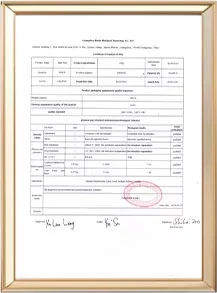
- Lack of Documentation: If they “cannot find” their ISO certificate or COA (Certificate of Analysis) for a batch, walk away.
- Vague Lead Times: “Soon” or “Maybe 3 weeks” is not a professional answer. You need hard dates for your marketing launches.
- Refusal to Sign an NDA: You must protect your brand concepts and proprietary formulas.
6. Negotiation Tips for Better Margins
- Volume Tiering: Ask for a price list for 1k, 5k, and 10k units. Even if you start small, you need to know your future margins.
- Packaging Sourcing: Often, buying your own bottles and shipping them to the manufacturer is cheaper than using the factory’s stock options.
- Annual Contracts: If you can commit to a certain volume over a year, you can often negotiate a 5–10% discount.
FAQ: Frequently Asked Questions
Q1: Can I provide my own ingredients to the manufacturer?
Most large manufacturers prefer to use their own vetted suppliers to guarantee stability and safety. However, many will allow you to provide a “hero ingredient” (like a specific rare oil) if you provide the proper documentation (MSDS/COA).
Q2: What is the average lead time for a new shampoo order?
For a first-time order, expect 8–12 weeks. This includes formula approval, packaging sourcing, and production. Re-orders are typically faster, around 4–6 weeks.
Q3: How do I protect my formula from being copied?
Ensure you sign a Non-Disclosure Agreement (NDA) and a Manufacturing Agreement before sharing details. If you have a truly unique formula, work with an OEM where you own the Intellectual Property (IP).
Q4: Should I manufacture locally or overseas?
- Overseas (e.g., China, Vietnam): Lower cost, higher MOQs, longer shipping times. Best for scaling and high margins.
- Local (e.g., USA, UK): “Made in [Country]” marketing appeal, faster shipping, easier communication, higher costs. Best for premium/luxury brands.
Q5: What tests should I request for every batch?
Always demand a COA (Certificate of Analysis). This should confirm the pH level, viscosity, color, scent, and absence of heavy metals or harmful bacteria.
Conclusion: Building a Long-Term Partnership
Finding a reliable shampoo manufacturer is not a transaction; it is a relationship. The best manufacturers are those who are invested in your growth. They will suggest ways to save money, alert you to new ingredient trends, and help you scale when your brand goes viral.
Take your time during the vetting stage. A few extra weeks of research now can save you months of headaches and thousands of dollars in product recalls later.
If you are looking for specific recommendations for manufacturers specializing in sulfate-free or salon-grade formulas, feel free to reach out for a tailored list.
What is the primary goal for your hair care brand this year—launching a new product or optimizing your current supply chain?