The global hair care market is projected to surpass $110 billion by 2030, driven by a massive shift toward specialized, high-performance formulations. For entrepreneurs and brand owners, this represents a golden opportunity. However, the bridge between a “great idea” and a “market-ready product” is built on one critical partnership: Shampoo OEMhttps://theshampoofactory.com/ (Original Equipment Manufacturer).
Selecting the right Shampoo OEM partner isn’t just about finding a factory; it’s about finding a strategic ally who understands scalp biology, surfactant chemistry, and the nuances of international regulatory compliance.
1. Understanding the Mechanics of Shampoo OEM
Shampoo OEM is a service where a specialized manufacturer produces hair care products based on your specific requirements. This allows you to focus on marketing and distribution while leveraging the technical expertise and infrastructure of an established facility.
Custom Formulation vs. Private Label
Many people confuse OEM with Private Label, but the difference is vital for brand positioning. Private Label involves slapping your logo on a pre-existing formula. Shampoo OEM, however, allows for deep customization. You can dictate the viscosity, the scent profile, the specific active ingredients (like biotin or caffeine), and even the pH level of the product. This ensures your brand offers a unique selling proposition (USP) that competitors cannot easily replicate.
The Role of R&D in OEM Partnerships
A world-class Shampoo OEM provider doesn’t just “mix ingredients.” They house advanced Research and Development (R&D) laboratories. These labs focus on synergy testing—ensuring that your “sulfate-free” claim doesn’t result in a product that fails to foam, or that your “intense repair” mask doesn’t weigh down fine hair. In the current market, R&D is the barrier between a mediocre product and a viral sensation.
Ready to formulate your signature scent and texture? >Connect with our Lead Chemist on WhatsApp +86 134 8026 8601
The modern consumer is more educated than ever. They read INCI lists and understand the difference between sodium lauryl sulfate (SLS) and gentler alternatives. To rank high in the market, your OEM strategy must align with these evolving demands.
The Rise of Scalp-First Formulations
“Skinification” of hair care is the biggest trend in the industry. Consumers are treating their scalp with the same intensity as their face. An elite Shampoo OEM will offer ingredients like Salicylic Acid for exfoliation, Niacinamide for barrier repair, and Hyaluronic Acid for scalp hydration. Moving beyond simple cleansing to “scalp therapy” allows your brand to command a premium price point.
Sustainable and “Clean” Beauty Standards
Clean beauty is no longer a niche; it’s a requirement. This involves formulating without parabens, silicones, and synthetic dyes. A professional OEM factory will have access to biodegradable surfactants and upcycled botanical extracts. Furthermore, they should provide “Green Chemistry” options that minimize environmental impact during the manufacturing process, a story that resonates deeply with Gen Z and Millennial buyers.
3. The Technical Manufacturing Process: From Vat to Bottle
Understanding how your shampoo is actually made is crucial for quality control. A high-standard Shampoo OEM facility operates under strict GMPC (Good Manufacturing Practice Cosmetics) and ISO 22716 certifications.
Emulsification and Stability Testing
Shampoo is a complex emulsion. If the mixing speed is too high or the temperature is slightly off, the formula can separate or “crash” over time. Top-tier factories use vacuum emulsifying mixers to ensure a perfectly smooth, stable texture. After mixing, the product undergoes stability testing—subjecting the shampoo to extreme heat and cold to ensure it remains perfect during shipping and shelf life.
Microbe Control and Preservative Systems
Because shampoo contains water, it is a breeding ground for bacteria and mold. A reliable OEM partner performs Challenge Testing (Preservative Efficacy Testing). They ensure that even if a consumer leaves the bottle open in a damp shower, the product remains safe. Balancing “natural” claims with effective preservation is an art form that only experienced manufacturers master.
Need a factory that meets international GMPC standards? >Message us for a Facility Tour via WhatsApp +86 134 8026 8601
4. Packaging and Aesthetic Innovation
In the digital age, the “unboxing” experience and the shelf appeal are just as important as the formula inside. Your Shampoo OEM partner should offer comprehensive packaging solutions that reflect your brand identity.
Sustainable Packaging Materials
With global plastic taxes rising, shifting to PCR (Post-Consumer Recycled) plastic, glass, or aluminum is a smart move. Many OEM providers now offer “Refillable” systems—large bulk pouches paired with high-end reusable glass dispensers. This not only reduces waste but also creates a “subscription” mindset for your customers.
Dispensing Technology and Ergonomics
The “feel” of the pump matters. Does it dispense the right amount? Does it leak during shipping? Does the nozzle clog? An OEM expert will help you select the right closure systems, from trigger sprays for scalp mists to high-viscosity pumps for thick hair masks. Custom mold development is also an option for brands looking to create a proprietary bottle shape that becomes an iconic brand asset.
5. Quality Control and Regulatory Compliance
One of the biggest risks in the Shampoo OEM world is regulatory rejection. If your product doesn’t meet the standards of the FDA (USA), CPNP (EU), or NMPA (China), your inventory could be seized at the border.
Third-Party Testing and Certification
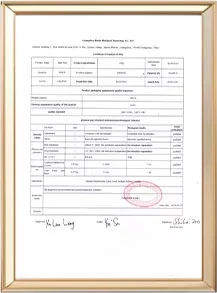
A reputable manufacturer doesn’t just say their product is good; they prove it. This includes Heavy Metal Testing, Skin Irritation Tests (Patch Tests), and No-Tears Testing for baby products. Providing these certificates to your distributors builds instant trust and allows for smoother entry into major retail chains like Sephora, Ulta, or Watsons.
Transparency in the Supply Chain
Where do your raw materials come from? Ethical sourcing is a major talking point. Whether it’s Moroccan Argan Oil or Brazilian Shea Butter, your OEM partner should provide a Certificate of Analysis (COA) and MSDS (Material Safety Data Sheet) for every ingredient. This transparency allows you to market your brand as “Ethically Sourced” with total confidence.
Ensure your brand is compliant for global export. >Consult our Regulatory Experts on WhatsApp +86 134 8026 8601
6. Scaling Your Brand: From Small Batches to Mass Production
The journey of a hair care brand usually starts small and grows rapidly. Your Shampoo OEM must be able to scale with you.
Low MOQ vs. High-Volume Efficiency
Many start-ups fail because they are forced into high MOQs (Minimum Order Quantities). A flexible OEM partner offers “Low MOQ” programs (starting at 500–1,000 units) for market testing, while maintaining the capacity to scale to 100,000+ units once the brand goes viral. This flexibility protects your cash flow during the critical early stages.
Logistics and Global Distribution
The job isn’t finished until the product reaches your warehouse. Experienced OEM manufacturers have established relationships with freight forwarders and understand the complexities of international shipping, including dangerous goods declarations (for aerosols) and customs clearance. They can provide FOB, CIF, or DDP shipping terms to suit your business model.
7. Why Partnering with a Chinese Shampoo OEM is a Strategic Advantage
China has become the global hub for cosmetic manufacturing, not just because of cost, but because of an unparalleled supply chain ecosystem.
Advanced Technology and Innovation Hubs
Regions like Guangdong are home to “Cosmetic Valleys” where ingredient suppliers, packaging manufacturers, and OEM factories sit side-by-side. This proximity allows for rapid prototyping and much faster Time-to-Market. If a new ingredient becomes popular on TikTok today, a Chinese OEM can often have a sample in your hands within a week.
Cost-Efficiency Without Quality Compromise
By leveraging economies of scale, Chinese OEM factories can offer high-end formulations (equivalent to luxury salon brands) at a fraction of the manufacturing cost in Europe or North America. This “Value Engineering” gives your brand higher profit margins, allowing you to spend more on marketing and influencer collaborations.
Get a competitive quote for your next project. >Contact our Sales Team at WhatsApp +86 134 8026 8601
8. Conclusion: Your Path to Hair Care Success
The “perfect” shampoo doesn’t exist in a vacuum. It is the result of meticulous planning, scientific rigor, and a partnership with a Shampoo OEM that shares your vision. Whether you are looking to launch an anti-hair loss tonic, a purple shampoo for blondes, or a professional-grade salon line, the foundation is the same: quality manufacturing.
Don’t settle for a generic supplier. Choose a partner that offers:
- Customized R&D tailored to your market.
- Certified Quality that meets global standards.
- Scalable Production that grows with your success.
Take the First Step Today
The hair care industry moves fast. Don’t let your idea sit on the shelf. Let’s turn your concept into a tangible, high-profit product.
Ready to start? Let’s talk about your formulation, packaging, and pricing. Contact us directly via WhatsApp: +86 134 8026 8601