In the rapidly evolving beauty industry, hair care remains one of the most competitive sectors. For entrepreneurs, salon owners, and established brands looking to expand, the concept of Custom hair care OEM (Original Equipment Manufacturing) has shifted from a luxury to a necessity.
Gone are the days when simply putting a label on a generic bottle was enough. Today’s consumers demand personalization, clean ingredients, and clinical efficacy. If you are looking to launch a hair care line, understanding the nuances of custom OEM manufacturing is the key to differentiating your brand in a saturated market.
This guide will walk you through everything you need to know about the custom hair care OEM process, including formulation science, packaging trends, quality control, and how to choose the right manufacturing partner to scale your business.
What is Custom Hair Care OEM?
Before diving into the complexities, it is crucial to define the scope. Custom hair care OEM refers to a business model where a manufacturer produces hair care products based on the specifications of a buying brand. Unlike private label (where you choose from a pre-existing catalog), OEM allows for complete customization.
With OEM, you own the intellectual property. You control:
- The formulation: Active ingredients, fragrance, texture, and color.
- The packaging: Bottle shapes, cap styles, and sustainable materials.
- The branding: Labels, boxes, and marketing collateral.
For B2B buyers, this model offers the highest barrier to entry for competitors because the end product is unique to your brand.
Why the Market is Shifting Toward Customization
The global hair care market is projected to reach over $100 billion by the next fiscal year. Within this growth, personalization is the leading driver. According to recent consumer behavior studies:
- 73% of consumers are willing to pay more for a product that offers total transparency.
- 63% prefer brands that offer customized product recommendations.
Consumers are no longer satisfied with “one-size-fits-all” solutions. They are looking for solutions tailored to specific hair types—curly, coily, straight, color-treated, or high-porosity. By utilizing custom hair care OEM, brands can cater to these niche demographics with precision.
The Custom Hair Care OEM Process: A Step-by-Step Breakdown
Partnering with a manufacturer for custom hair care can seem daunting if you are unfamiliar with the supply chain. Here is a breakdown of the typical workflow:
1. Concept and Market Research
Before any formula is mixed, the manufacturer works with the brand to define the product’s identity.
- Target Audience: Who is the end user? (e.g., vegan millennials, luxury salons, or medical hair restoration clients)
- Product Type: Shampoo, conditioner, masks, serums, or styling aids.
- Claims: Are you aiming for “Clean Beauty,” “Cruelty-Free,” or “Anti-Hair Loss”?
2. R&D and Formulation
This is the most critical phase. A reputable custom hair care OEM provider will have an in-house R&D team of chemists and cosmetic scientists.
- Base Selection: Even in custom jobs, the base matters—sulfate-free, paraben-free, or silicone-free.
- Active Ingredients: This is where customization shines. You can specify unique complexes, such as fermented rice water for strength, keratin for repair, or scalp-soothing prebiotics.
- Sensory Testing: The manufacturer will create samples (prototypes) for you to test for viscosity, lather, scent profile, and overall performance.
3. Packaging Sourcing
Packaging is the silent salesman. OEM manufacturers often have a network of packaging suppliers.
- Sustainability: The industry is moving toward PCR (Post-Consumer Recycled) plastics, glass, and aluminum.
- Airless Pumps: For high-end serums and masks, airless packaging ensures product integrity without preservatives.
4. Stability and Microbial Testing
A professional OEM partner does not skip this step. Stability testing ensures the product won’t separate or change color over time. Microbial testing ensures safety and shelf-life longevity. This phase typically takes 4 to 8 weeks but is essential for liability and customer satisfaction.
5. Filling, Assembly, and Shipping
Once the formula is approved and packaging is procured, the product moves to the filling line. High-speed automated lines ensure consistency in fill levels and labeling.
Key Factors to Consider When Choosing an OEM Partner
Selecting the right manufacturing partner is the most important decision you will make. Here are four criteria to evaluate when vetting a custom hair care OEM facility:
1. Certifications and Compliance
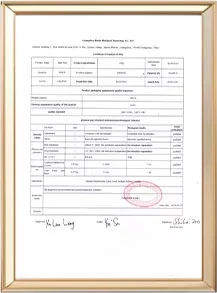
If you plan to sell in international markets, your manufacturer must hold the proper certifications.
- GMP (Good Manufacturing Practices): Non-negotiable for safety.
- ISO 22716: The international standard for cosmetics manufacturing.
- Cruelty-Free/Leaping Bunny: Essential for ethical branding.
- FDA Registration: Necessary for the US market.
2. MOQ (Minimum Order Quantity)
One of the biggest hurdles for new brands is MOQs. Some large-scale OEMs require runs of 10,000+ units per SKU. However, many modern custom hair care OEM manufacturers now offer low MOQs (starting at 500 to 1,000 units) to accommodate startups and niche brands.
3. Lead Times
Custom manufacturing takes time. From formulation to delivery, timelines typically range from 12 to 20 weeks. A reliable partner will give you a transparent timeline and stick to it.
4. Supply Chain Resilience
Post-pandemic, supply chain stability is critical. Does the manufacturer source raw materials locally or internationally? Are there backup suppliers for key ingredients? A robust supply chain prevents “out of stock” nightmares for your brand.
Trends Shaping the Future of Hair Care OEM
To stay competitive, your product line must align with current consumer trends. Here are the top three trends dominating the custom hair care OEM space right now:
1. Scalp Care
The scalp is the new canvas. Brands are shifting focus from hair strands to the microbiome of the scalp. We are seeing a surge in custom formulas featuring salicylic acid for exfoliation, peptides for stimulation, and soothing ingredients like centella asiatica.
2. Waterless Beauty
Sustainability is driving the demand for waterless or low-water products. Solid shampoo bars, concentrated formulas, and powder-to-foam products are gaining traction because they reduce carbon footprint and require smaller packaging.
3. K-Beauty and J-Beauty Infusion
Asian beauty trends continue to dominate hair care. Custom formulations now often incorporate traditional ingredients like Camellia oil, Ginseng, and Sake (fermented rice) to appeal to consumers looking for holistic, ritualistic hair care experiences.
The Cost Breakdown: What Affects Your OEM Pricing?
When budgeting for a custom hair care project, understanding the cost drivers helps in forecasting. The final price per unit is usually determined by:
- Formula Complexity: A simple cleanser with a standard surfactant system is cheaper than a complex multi-phase treatment with rare botanical extracts.
- Packaging: Custom molds for bottles incur tooling fees (usually $2,000–$10,000). Stock bottles are much cheaper.
- Order Volume: Higher MOQs result in lower per-unit costs.
- Labor: Complex assembly (shrink bands, outer cartons, leaflets) adds to labor costs.
A typical custom hair care product might range from $1.50 to $8.00 per unit depending on these variables, excluding shipping and duties.
One of the biggest advantages of working with a seasoned custom hair care OEM manufacturer is their regulatory expertise. They should assist you with:
- INCI Listings: Ensuring ingredient names are correctly displayed.
- Product Claims Substantiation: Making sure you don’t make medical claims (like “cures baldness”) that violate FDA or EU regulations.
- Safety Data Sheets (SDS): Required for shipping and handling.
As the brand owner, you are the “Responsible Person” for the product in the eyes of the law. Therefore, partnering with an OEM that prioritizes regulatory compliance protects you from legal liabilities down the road.
Building a Long-Term Partnership
Launching a product is just the beginning. A successful B2B relationship with your OEM partner should be viewed as a partnership, not just a transaction.
Look for a manufacturer that offers:
- Scalability: Can they handle your growth from 1,000 units to 100,000 units?
- R&D Support: Do they offer innovation sessions to help you develop your next product (e.g., a leave-in conditioner to match your shampoo)?
- Drop-shipping Services: Some OEMs offer fulfillment services, storing your inventory and shipping directly to your customers or retailers.
Conclusion: Turning Your Vision into Reality
The journey from an idea to a shelf-ready hair care line is complex, but with the right custom hair care OEM partner, it is incredibly rewarding. By focusing on high-quality ingredients, sustainable packaging, and a clear brand identity, you can create products that resonate deeply with today’s discerning consumers.
Whether you are a startup looking to launch your first SKU or an established brand seeking to expand your portfolio, the key to success lies in collaboration, transparency, and a shared commitment to excellence.
Stop dreaming about your brand and start building it. We specialize in end-to-end custom hair care OEM solutions, from bespoke formulation and sustainable packaging to global logistics.
Let’s discuss your project.
📞 Contact us today on WhatsApp for a free consultation and quote.
Click here to chat with our B2B sales team: [+86 13480268601]
Don’t just enter the market—lead it. Your custom formula is just a message away.