In the global beauty and personal care market, one specific segment is rising at an astonishing pace: the anti-hair loss and scalp care market. With the acceleration of modern lifestyles, surging work stress, and shifting dietary habits, “hair loss” is no longer an exclusive concern for the middle-aged and elderly. An increasing number of Millennials and Gen Z are joining the ranks of those seeking hair-thinning prevention.
Faced with this massive “anxiety economy,” many beauty brands, daily chemical enterprises, and even cross-industry investors are eager to secure their market share. However, anti-hair loss shampoo is vastly different from standard cleansing hair care products. It demands extremely high standards for formulation R&D, efficacy validation, ingredient stability, and production compliance. For most brands, the cost and time required to build proprietary factories and R&D centers are prohibitively high. In this context, finding a professional and reliable anti-hair loss shampoo OEM/ODM manufacturer becomes the winning key for brands to quickly capture the market.
This article will comprehensively analyze the latest trends in the anti-hair loss shampoo market, core ingredient breakdowns, the core advantages of OEM manufacturing, standard procedures, and how to select the most suitable supply chain partner for your business.
I. Market Insights: Why is Anti-Hair Loss Shampoo a Great Business?
Before diving into OEM manufacturing, we first need to clarify market potential and shifts in consumer demands.
1. A Younger Demographic and “Appearance Anxiety”
Multiple global health data reports indicate a clear trend of younger populations experiencing hair loss. The younger generation’s focus on personal image (often termed “appearance anxiety”) is unprecedentedly high, and hair density directly impacts their social confidence. This deep-seated psychological need has transformed anti-hair loss products from “non-essentials” into “daily necessities” for many consumers.
2. The Shift from “Cleansing” to the “Skinification of Hair”
Modern consumers realize that healthy hair stems from a healthy scalp. The anti-hair loss shampoo market is undergoing a “Skinification of Hair” revolution. Consumers are no longer satisfied with simple silicone-free concepts; they demand scientifically backed formulas with multiple benefits, including oil control, soothing, anti-inflammatory properties, and root strengthening.
3. High Repurchase Rates and Brand Loyalty
Preventing hair loss is a long-term process; no product offers overnight miracles. Once consumers experience an improvement in their scalp environment or a reduction in hair shedding after using a specific shampoo, they are highly likely to continuously repurchase and recommend it to their peers. This means that as long as the product’s efficacy is solid, brands can achieve an exceptionally high Customer Lifetime Value (LTV).
II. Science-Backed Hair Care: Core Ingredients for Anti-Hair Loss Shampoo OEM
The soul of a successful anti-hair loss shampoo lies in its formulation system. An excellent OEM factory shouldn’t just provide a production line; it must possess robust formulation R&D and customization capabilities. Here are the highly acclaimed, scientifically proven core ingredients currently dominating the market:
1. Targeted Anti-Hair Loss Ingredients: Aminexil and Kopexil
These are often viewed as safe alternatives to Minoxidil (a pharmaceutical ingredient generally not allowed in standard daily shampoos). They soften the collagen fiber network surrounding the hair follicles, preventing follicle shrinkage caused by collagen hardening, thereby extending the hair’s growth phase and helping roots anchor more firmly into the scalp.
2. Microcirculation Promoters: Caffeine
Caffeine is one of the brightest star ingredients in the anti-hair loss sector today. Studies show that high concentrations of caffeine can penetrate the scalp barrier, reach the hair follicles directly, and counteract the negative effects of Dihydrotestosterone (DHT)—the hormone responsible for genetic hair loss—while boosting scalp microcirculation to deliver more nutrients to the follicles.
3. Nutrient Supply and Strengthening Ingredients: Biotin and Peptides
- Biotin (Vitamin B7): Participates in the synthesis of keratin, the primary protein constituting hair. Supplementing biotin significantly improves hair texture and reduces breakage.
- Peptides (e.g., Copper Tripeptide-1, Biotinoyl Tripeptide-1): Stimulate scalp cell proliferation, increase hair follicle volume, and ensure newly grown hair is thicker and stronger.
4. Natural Botanical Extracts: Tradition Meets Modern Science
- Ginger Extract: Contains gingerol, which promotes local blood circulation, warms the scalp, and activates dormant follicles.
- Oriental Botanicals (e.g., Platycladus Orientalis, Polygonum Multiflorum): Possess strong consumer recognition in Asian markets, offering excellent oil control, hair anchoring, and antioxidant effects.
- Rosemary Oil: Exploding in popularity in Western markets recently, it is scientifically proven to possess anti-inflammatory properties and stimulate scalp blood circulation, effectively alleviating hair loss caused by scalp inflammation.
The R&D Moat of an OEM: Top-tier OEMs know not only what to add but how to use Liposome Technology or penetration enhancers to ensure these active ingredients aren’t entirely washed away in minutes, but actually penetrate the scalp to deliver results.
III. Why Should Brands Choose the OEM/ODM Model?
For brands, outsourcing the production of anti-hair loss shampoos to professional OEM/ODM factories offers unparalleled commercial advantages:
1. Drastically Reduce Capital and Trial-and-Error Costs
Establishing a dust-free workshop that meets GMPC standards and is equipped for specialized anti-hair loss certifications requires millions in capital. By choosing an OEM, brands avoid the heavy asset investments of building factories, purchasing equipment, and hiring workers. This allows precious capital to be concentrated on brand marketing, channel expansion, and user operations.
2. Accelerate Time-to-Market
The trends in the hair loss market change rapidly. Mature OEM factories possess thousands of proven formulation libraries. Brands can directly select a mature formula for minor tweaks (the ODM model), saving six months to a year of basic R&D and stability testing, achieving a lightning-fast product launch.
3. Overcome Strict Regulatory Barriers
In many countries and regions (such as the Chinese market), products claiming “anti-hair loss” benefits are classified as Special Use Cosmetics. The declaration process is extremely complex, requiring lengthy human efficacy and toxicology testing. Excellent OEM factories have extensive experience in special certification declarations and often hold ready-to-use “anti-hair loss certifications” that brands can authorize, greatly clearing regulatory hurdles.
4. Flexible MOQs and Supply Chain Elasticity
Professional OEM factories usually offer tiered Minimum Order Quantity (MOQ) plans. In the startup phase, brands can conduct market testing with a smaller MOQ; once the product explodes in popularity, the factory’s robust production capacity ensures uninterrupted supply, providing a highly resilient supply chain.
Partnering with a professional OEM factory typically involves the following rigorous, standardized steps to ensure superior final product quality:
- Step 1: Requirement Analysis & Market Positioning The brand communicates deeply with the OEM’s product managers to determine the target audience (e.g., postpartum, seborrheic, or stress-induced hair loss), core selling points (natural botanicals, scientific ingredients, silicone-free), fragrance preferences, packaging materials, and target costs.
- Step 2: Formulation R&D and Sampling OEM R&D engineers blend a customized formula. This includes selecting the surfactant system (like amino acid surfactants for mildness), balancing anti-hair loss active ingredients, and establishing the preservative system. The factory then provides samples for the brand to test and blind-review.
- Step 3: Efficacy Validation and Stability Testing This step is crucial for functional products. The factory must subject the formula to extreme temperature tests, centrifuge tests, and packaging compatibility tests to ensure no separation, discoloration, or odor changes occur during the shelf life. Third-party efficacy testing is also conducted here.
- Step 4: Packaging Sourcing and Visual Design The OEM factory assists the brand in connecting with high-quality packaging suppliers, selecting pumps and bottles (like eco-friendly PETG or PCR materials) that fit the brand’s tone, and confirming label legal compliance.
- Step 5: Mass Production in Cleanrooms Once the formula and packaging are confirmed, mass production begins. Emulsification equipment operates within a GMPC 100,000-class dust-free workshop, going through a fully automated assembly line of emulsifying, resting, filling, capping, coding, labeling, and shrink-wrapping.
- Step 6: Strict Quality Control (QC) Before leaving the factory, the QC department strictly tests the finished product’s physical and chemical indicators (pH value, viscosity) and microbiological indicators (total bacteria and mold counts), while retaining samples for observation.
- Step 7: Logistics Delivery and After-Sales Support After passing inspection, the products are safely warehoused and shipped to designated warehouses globally according to the brand’s instructions. A premium OEM will also continuously monitor market feedback to provide technical reserves for the next generation of product iterations.
V. Pitfall Avoidance Guide: How to Select a Reliable OEM Partner?
The contract manufacturing market is a mixed bag. Choosing the wrong factory can lead to product failures and PR crises. B2B purchasing decision-makers must focus on the following core dimensions:
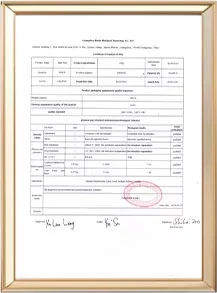
- Check Qualifications and Certifications: Does the factory have dual international certifications for ISO 22716 and GMPC (Good Manufacturing Practice for Cosmetics)? This is the fundamental baseline for product safety.
- Evaluate R&D Strength and Expert Teams: When touring the factory, focus on the scale of the R&D Lab. Do they have professional scalp physiology experts? Are there endorsements from top-tier domestic or international research institutions? Do they possess patented ingredients or encapsulation technologies?
- Assess “Special Certification” Reserves and Compliance Capability: Ask the factory how many ready-to-use “anti-hair loss special certifications” they currently hold. The volume of reserved certifications often directly reflects a factory’s seniority and financial strength in the sector.
- Supply Chain Transparency and Ingredient Traceability: Premium shampoo relies on top-tier raw materials. An excellent OEM should clearly display its supplier sources for active ingredients (e.g., whether they source from international giants like BASF, DSM, or Symrise) and provide relevant certificates of origin and efficacy data reports.
- Success Stories and NDAs: Understand which well-known brands the factory has manufactured for (without violating confidentiality). Also, in the early stages of collaboration, observe whether the factory proactively signs an NDA (Non-Disclosure Agreement) with you to protect your formulas and commercial secrets.
Is Your Brand Ready to Ride the Wave of the Anti-Hair Loss Market? (Call to Action)
Creating an anti-hair loss shampoo that truly solves consumer pain points and drives massive repurchase rates is no easy feat, but it is undeniably a highly rewarding commercial investment. Finding an OEM supply chain partner who understands the market, excels in R&D, and possesses strong production capabilities is your shortcut from “concept” to “bestseller.”
Whether you are a startup brand preparing to launch your first scalp care product or a mature enterprise looking to upgrade the formulation of an existing hair care line, we are ready to provide you with a one-stop turnkey service from “Concept Planning – Patent R&D – Certification Declaration – Flexible Production.”
Don’t let a great product idea stay on paper. Take action now and seize the billion-dollar anti-hair loss market!
Contact us today to get a free exclusive industry report, “2026 Anti-Hair Loss Market Trends,” and your customized anti-hair loss shampoo test samples! [Insert your company’s contact form link / email / phone number here]
Frequently Asked Questions (FAQ)
Q1: What is your Minimum Order Quantity (MOQ) for anti-hair loss shampoo OEM? A1: We understand the needs of brands at different stages of development. For standard, mature formulas, our baseline MOQ is typically 3,000 to 5,000 bottles. If you require deep custom formulation R&D or exclusive packaging materials, the MOQ may be adjusted to start at 10,000 bottles based on actual material costs. We welcome you to speak with our business consultants for the best-tailored solution.
Q2: Roughly how long does it take to develop a brand-new anti-hair loss shampoo and put it into production? A2: If you choose our mature ODM formulas (semi-custom) that have already passed stability and efficacy testing, it generally takes 30-45 days from packaging confirmation to mass delivery. If you require a brand-new custom formula starting from scratch, including sampling, stability testing (which usually takes 3 months), and mass production, the entire cycle takes about 4-5 months. If special anti-hair loss certifications for specific markets (like China) are involved, the timeline will be longer, but we can offer formulas that already hold these certifications for your direct authorization to save time.
Q3: How do you guarantee that the anti-hair loss claims aren’t just false advertising? A3: We adhere strictly to the principle of “Science-Backed Hair Care.” Our anti-hair loss formulas utilize active ingredients supported by international medical literature (such as Caffeine, Aminexil, etc.), and we strictly follow laboratory effective concentration levels—we never engage in “concept-only” additions. Furthermore, we can assist brands in coordinating with authoritative third-party testing agencies (like SGS) to conduct rigorous human efficacy patch tests and hair loss improvement evaluations, ensuring you have factual data to back your brand’s claims.
Q4: Can you manufacture the product if I provide my own core anti-hair loss ingredients (client-supplied materials)? A4: Absolutely. We support this OEM processing model. However, to ensure the safety and stability of the final product, the raw materials you provide must come with a complete MSDS (Material Safety Data Sheet), COA (Certificate of Analysis), and relevant compliance documents. Our R&D team will first conduct compatibility and stability tests using your ingredients before moving to mass production.
Q5: Do your production cleanrooms meet export standards? A5: Completely. We operate a 100,000-class GMPC dust-free production facility and are fully certified under the ISO 22716 international quality system. Whether you are targeting the domestic market or exporting to North America, Europe, or Southeast Asia, our production environment and quality control systems meet the strict regulatory requirements of those regions, and we can assist in providing the necessary export qualification documents.