Sourcing a China hair oil OEM can unlock strong margins — but only if quality control is disciplined and the partner is vetted for the specific failure modes of anhydrous products. This guide gives buyers the sourcing and QC checklist that separates a reliable Guangdong partner from a risky one, and explains why hair oil is governed by a different set of rules than shampoo or mask manufacturing.
Why Hair Oil Is a Different Beast
Hair oils are anhydrous (no water), so microbial risk is lower than in a water-based emulsion — but that does not make them easier to get right. Instead, the real QC fronts shift to oxidation, fragrance stability, active solubility, and fill accuracy. A China hair oil OEM lives or dies on these four dimensions, not on the microbial plate counts that dominate shampoo QA.
Because there is no water to carry actives, the oil itself is the delivery system. Purity, grade, and freshness of the base oil determine performance more than any additive. A partner that treats oil as a commodity ingredient will produce a commodity result, and the gaps show up as rancidity, cloudiness, or scent fade within months of filling.
Sourcing Checklist
Before you brief a factory, work through this list with the supplier’s documentation in hand:
- Supplier audit — verify GMP/ISO 22716 certification and a real in-house formulation team, not just a trading desk reselling another plant’s output.
- Active transparency — get full INCI names and source certificates for every oil (argan, rosemary, castor, squalane, and any botanical extract).
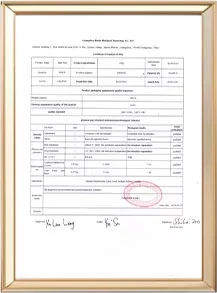
- Stability data — request accelerated oxidation results and cold/hot cycling data covering at least the intended shelf life.
- Lead-time realism — oils often need maturation or settling; confirm a schedule that includes that step rather than a bare production window.
- Import documentation — English-language certificates of analysis, MSDS, and ingredient origin letters for the destination market.
Quality Control Must-Haves
These checks belong in your QC specification and should appear on every batch release.
| Check | Why it matters |
|---|---|
| Peroxide value | Detects oil rancidity and onset of oxidation before the product smells off |
| Acid value | Flags hydrolytic degradation and poor starting material |
| Color & clarity | Batch-to-batch consistency and absence of haze or sediment |
| Fragrance retention | Scent should not fade or sour within the first three months |
| Fill accuracy | Oils are pricey per ml — giveaway quietly destroys margin |
Do not accept a single one-time certificate as proof. Require batch-level documentation, because a supplier’s capability is only as good as the worst lot they ship to you.
Red Flags in a Supplier
- No stability or oxidation data on request, or a refusal to share peroxide-value method.
- Vague INCI or a “proprietary blend” with no source certificates behind it.
- Unrealistic lead times that omit oil maturation or settling time.
- No English documentation for import compliance in your destination market.
- Pressure to skip stability testing to hit a launch date.
Any one of these is enough to walk away. Combined, they signal a partner that will cost you more in returns and rework than you would save on unit price.
Tying It to Your Range
Hair oil pairs naturally with masks and shampoos — our gold caviar mask and caviar shampoo notes cover the margin logic on those SKUs. A three-SKU routine of shampoo, mask, and oil lifts average order value and gives the customer a complete ritual rather than a single purchase.
For the cost mechanics of the wider range, see our hair mask plant-cost breakdown, which shows how MOQ, packaging, active load, and fill weight rank as cost drivers. Oil fits the same framework, with fill weight and base-oil grade as the two levers that move the quote most.
Common Mistakes to Avoid
- Skipping oxidation testing — rancid oil is a recall-level failure, not a cosmetic nitpick.
- Chasing the cheapest base oil — source and purity drive performance far more than the hero additive does.
- Ignoring fragrance stability — scent fade reads as low quality and kills repurchase.
- Assuming anhydrous means low-risk — lower microbial risk distracts buyers from the higher oxidation risk that actually bites.
- Overlooking fill accuracy — on a premium oil, a 2% overfill compounds across a full run.
China Hair Oil OEM and Compliance
Import markets need documentation that matches the actual batch, not a template. Our OEM buying FAQs cover the certification landscape in depth; the key point for oil is to ensure your partner supplies per-shipment certificates, not just a single set signed at the start of the relationship.
EU-bound oil additionally needs EU 1223/2009 compliance and a responsible person; US-bound oil needs MoCRA registration and labeling. Build these into the brief before sampling, because adding them later triggers rework and re-testing.
FAQ
What is the biggest QC risk in hair oil OEM? Oxidation and rancidity — verified via peroxide value and accelerated stability testing, not a visual check. An oil can look fine and smell fine at the factory yet turn within weeks on a warm shelf.
How do I verify oil quality from a China OEM? Require INCI transparency, source certificates, and stability plus oxidation data, plus batch consistency on color, clarity, and fragrance. Insist that the documentation is per batch, not a one-time sample.
Are lead times longer for hair oils? Often yes — oils may need maturation or settling before filling, and some actives require sourcing lead time. Confirm realistic schedules rather than accepting unrealistically fast promises that omit those steps.
Which certifications matter for imported hair oil? GMP and ISO 22716 are baseline. Market-specific rules then apply: EU 1223/2009 with a responsible person, US MoCRA registration, and vegan or COSMOS badges for premium channels.
How should I handle fill accuracy on a premium oil? Monitor fill weight continuously rather than spot-checking, because per-ml giveaway on a premium oil is expensive. Set a stated tolerance in the brief so overfill is a measurable, rejectable defect.
Conclusion & Next Step
A China hair oil OEM win comes from disciplined sourcing and oxidation-focused QC, not the lowest quote. Build the checklist before you brief, require per-batch documentation, and treat the base oil grade as the primary performance driver. Ready to vet a partner? Review our OEM buying FAQs or explore Guangdong OEM capabilities on our sister site.
Explore our manufacturing network
Looking beyond this guide, our sister sites cover complementary angles:
- Anti Breakage Conditioner: Key Ingredients & Formulation Tips — on our custom shampoo manufacturing site (theshampoomanufacturer.com)
- OEM Natural Hair Elixirs Factory: Sourcing Botanical Actives — on our Guangzhou shampoo factory site (guangzhoushampoo.com)