In today’s fiercely competitive beauty, personal care, and hair care markets, shampoo has long transcended its simple “cleansing” attribute. It has evolved into a highly segmented, tech-driven, and emotionally resonant super-category. From the global craze of “Scalp Anti-Aging” and “Customized Hair Care” to the highly esteemed “Clean Beauty” philosophy, global consumer demands are upgrading at an unprecedented speed.
For startup brands, high-end salon chains, cross-border e-commerce sellers, and especially DTC (Direct-to-Consumer) brands focused on building independent e-commerce sites (like Shopify or WordPress), the core question of survival is this: How can you transform innovative concepts into best-selling products with controllable costs and rapid turnaround times?
This is exactly where a Shampoo ODM (Original Design Manufacturer) factory plays a decisive role.
This comprehensive guide will deeply analyze the underlying logic and commercial advantages of the shampoo ODM model, the standard high-end collaboration process, the latest global hair care trends for 2026, how to leverage the world-class manufacturing advantages of China (especially Guangdong), and how to avoid the hidden traps when selecting a manufacturer. Whether you are an e-commerce pioneer just starting out or a mature enterprise seeking category expansion, this in-depth blueprint will be your ultimate strategy for building core product competitiveness.
Part 1: Clarifying the Concepts – The Core Commercial Differences Between OEM and ODM
When searching for a beauty and hair care supply chain, brand owners often first encounter the terms OEM and ODM. While both are contract manufacturing models, the depth and breadth of their empowerment for your brand are vastly different.
1. OEM (Original Equipment Manufacturer) – Pure Contract Manufacturing
In the OEM model, the factory is positioned purely as a “production workshop.” The brand owner must possess a mature formula, patented technology, complete packaging design, and clear production process instructions. The factory is only responsible for purchasing specified raw materials (or using materials supplied by the brand) and strictly following the brand’s standards for filling and mass production.
- Best Suited For: International cosmetic giants or large, mature brands with massive internal R&D laboratories and proprietary patented formulas.
- Commercial Pain Points: For small to medium brands or e-commerce sellers, the barrier to entry is extremely high. Companies must bear exorbitant early-stage R&D costs, long formula polishing cycles, and high trial-and-error risks.
2. ODM (Original Design Manufacturer) – Original Design & Turnkey Manufacturing
In the shampoo ODM model, the factory undergoes a magnificent transformation from a “manufacturer” to a “product incubator” and “solution provider.” Top-tier ODM factories boast powerful independent R&D labs and thousands of market-tested mature formulas. They provide a one-stop (Turnkey) full-service solution, covering market trend research, hit formula R&D, packaging design, regulatory compliance, and final mass production.
- Best Suited For: Companies eager to quickly fill market gaps, lacking independent R&D centers, and wanting to focus their core resources on traffic acquisition, independent site operations, and brand marketing.
- Core Advantage: You only need to provide a “conceptual request” (e.g., “I want to develop a vegan ginger anti-hair loss shampoo targeting the North American market for my Shopify store”), and a professional ODM factory will mobilize its entire supply chain to materialize this abstract concept into a highly profitable, ready-to-sell product.
Part 2: Why DTC Brands and Independent E-commerce Sites Must Embrace the ODM Model
For the vast majority of modern hair care brands and B2B/B2C cross-border e-commerce players, building a heavy-asset factory is a thing of the past. Partnering with a high-quality shampoo ODM factory is the optimal solution for achieving a lightweight business model and maximizing profits:
1. The Pursuit of Ultimate “Speed to Market”
In the era of traffic, hair care trends change in the blink of an eye. “Rosemary hair care” might be trending on TikTok today, and tomorrow it shifts to “Hyaluronic acid scalp hydration.” Self-research and self-production take years. Top ODM factories possess massive, mature formula databases. Brand owners only need to make customized tweaks (like changing fragrances or adding iconic plant extracts). Usually, within 30 to 60 days, the entire loop from concept to mass production is closed, allowing you to catch market traffic at its peak.
2. Crushing Sunk Costs and Achieving Efficient Capital Turnover
Building a modern hair care factory that meets GMPC and ISO 22716 standards—complete with million-dollar reverse osmosis water treatment equipment, vacuum homogenizing emulsifiers, and sterile automatic filling lines—requires immense capital investment, equipment depreciation, and personnel management costs. The ODM model frees you entirely from heavy asset shackles, allowing you to invest your precious cash flow precisely into site traffic generation, SEO optimization, Google/Facebook ads, and CRM—the areas that truly generate high returns.
3. Seamlessly Sharing World-Class R&D and Top-Tier Raw Materials
Leading shampoo ODM factories often form deep strategic alliances with global chemical giants (like BASF, Dow, Ashland, Givaudan, etc.). They have first-hand access to the industry’s latest patented active ingredients and cutting-edge encapsulation technologies. Through an ODM partnership, even a startup brand starting from zero can “stand on the shoulders of giants” and equip its product lines with the exact same core technologies used by top-tier international brands.
4. Thoroughly Solving Complex Global Regulatory and Compliance Challenges
When doing global business, compliance is your lifeline. Whether it’s navigating the new FDA MoCRA regulations for US exports, strict EU CPNP registration in Europe, Halal certification for the Middle East, or Vegan/Cruelty-free certifications, mature ODM factories are equipped with senior regulatory engineering teams. They ensure your shampoo is absolutely legal and compliant in any target market, reducing the risk of customs seizures and product recalls to zero.
Part 3: 4 Explosive Global Hair Care Market Trends for 2026 (Your Product Line Strategy)
Accurately capturing the pulse of the market is half the battle before submitting your sampling requirements to an ODM factory. Here are the shampoo categories with massive premium potential and high conversion rates:
1. The “Skinification” of Hair Care
“Treating hair like skin” has become a global consensus. The balance of the scalp micro-biome is being prioritized like never before. Shampoo is no longer just for stripping oils; it’s about building a healthy scalp barrier.
- ODM R&D Strategy: Filter product lines rich in skincare-grade ingredients from the formula library. Add Ceramides (to deeply repair the scalp barrier), Salicylic Acid/AHA (to gently unclog follicles and control oil), High-Molecular Hyaluronic Acid (for deep hydration), and Peptides (for anti-aging of the scalp).
2. Professional Hair Dye & Color-Treated Care
With the popularization of DIY home hair color and regular salon dyeing, consumer demand for color longevity and damaged hair repair has skyrocketed. This is a highly sticky, high-repurchase niche.
- ODM R&D Strategy: Develop targeted “Dye & Care Duo” combinations. Beyond finding a premium hair dye supplier that offers gentle, ammonia-free, plant-based color creams, you must customize and develop a “Purple Shampoo” for bleached hair, and a “Hydrolyzed Keratin/Amino Acid Intensive Repair Shampoo” for severely damaged dyed/permed hair to lock in pigments and repair cuticles.
3. Clean Beauty & Botanical Power
“Transparent ingredients,” “Eco-friendly,” and “Safe & Non-irritating” are the top labels for mainstream consumers in the US, Europe, and independent e-commerce sites.
- ODM R&D Strategy: Focus on the “Multi-Free” concept. Completely replace traditional SLS/SLES (sulfates) with gentle Amino Acid surfactants or APG (Alkyl Polyglycosides). Highlight core botanical extracts, such as traditional Fleeceflower Root/Ginger (for strengthening roots), Australian Tea Tree Oil (natural anti-bacterial/anti-dandruff), or Moroccan Argan Oil (for ultimate smoothness).
4. Emotionally Driven: Fragrance-Driven Hair Care
Shower time is evolving into an emotional healing ritual for stress relief. High-quality, long-lasting fragrance hair care products are sweeping social media.
- ODM R&D Strategy: Request your ODM factory to connect with top international fragrance houses to customize your exclusive “Designer Perfume Dupes” or “Niche Salon Scents” (e.g., woody cedarwood, fresh white tea). Combine this with advanced micro-encapsulation slow-release technology to achieve dynamic, long-lasting fragrance retention for 48 to 72 hours, significantly increasing your product’s average order value (AOV) and premium appeal.
Part 4: Deep Dive into the 6-Step Turnkey Shampoo ODM Process
Working alongside a top-tier shampoo ODM factory is a rigorous, efficient, and highly creative commercial journey. A standard high-end manufacturing chain typically includes these six core milestones:
Step 1: In-depth Consultation & Brand Concept Positioning
In the launch phase, senior product managers will align deeply with your strategy. You need to provide your target audience persona, primary sales channels (Shopify, Amazon, TikTok Shop, or professional salons), target retail price, and cost budget. Leveraging their supply chain acumen, the factory will provide a professional product feasibility report and matrix planning suggestions.
Step 2: Formulation, Fragrance Blending & Sampling
This is the “technical crystallization” of the ODM service. Formulation engineers will extract underlying architectures from vast formula databases or create entirely new customized solutions based on your requests.
- Adjusting surfactant ratios to achieve your desired foam density and cleansing power.
- Integrating specific active ingredients to ensure real anti-hair loss, anti-dandruff, or color-protecting efficacy.
- Repeatedly tweaking fragrance types and preservative systems. Once preliminary samples are ready, they are sent to you for real-world blind testing. If the fragrance isn’t layered enough or the foam dissipates too quickly, engineers will refine it until you are 100% satisfied and sign off on the final sample.
Step 3: Packaging Supply Chain Integration & Visual Design
In an era where “looks matter,” the texture of your packaging decides the conversion rate in the few seconds a consumer scrolls online.
- Excellent ODM factories are masters of packaging supply chains. They connect you with premium source factories for packaging.
- From minimalist matte PET/HDPE bottles and eco-friendly PCR (Post-Consumer Recycled) materials to high-end cold aluminum bottles or unique private molds, the factory assists with selection, silk-screening, hot stamping, and label layout. They ensure all ingredient lists, warnings, and barcodes perfectly comply with your target market’s strict regulations.
Step 4: Rigorous Efficacy Testing & Regulatory Compliance
Before pressing the button for mass production, the product must pass scientific extreme testing.
- Stability Challenge Testing: Subjecting samples to extreme high heat (45℃+), freezing (-15℃), intense centrifugation, and long-term UV exposure to ensure the formula does not separate, discolor, degrade, or smell bad.
- Preservative & Microbial Challenge: Ensuring the product has strong resistance against E. coli, Staphylococcus aureus, etc., over a three-year shelf life.
- Regulatory specialists will then help generate the full Product Information File (PIF) and assist with FDA, CPNP, or other international registrations.
Step 5: GMPC Standardized Mass Production
Once all materials are ready, products enter the mass production track.
- Utilizing EDI reverse osmosis water treatment equipment in medical-grade 100,000 or 300,000-level dust-free purification workshops to prepare pure water.
- Using large vacuum homogenizing emulsifiers to heat, shear, and cool raw materials strictly according to SOPs.
- High-speed automatic filling lines execute precise filling, capping, labeling, laser coding (batch/date), shrink wrapping, and carton packing.
Step 6: Quality Control (QC) & Global Delivery
Before leaving the facility, the QC department conducts random spot checks on every batch, covering physicochemical indicators (pH precision, viscosity), microbial testing, and packaging pressure/leak-proof testing. Once passed and authoritative COAs are issued, products are handed over to logistics for delivery to your domestic or overseas warehouses.
Part 5: Why is Guangdong/Guangzhou the Global Hub for Top Shampoo Supply Chains?
When searching globally for a beauty supply chain, Guangdong cosmetics manufacturing, and specifically finding a top-tier Guangzhou cosmetic manufacturer, is an absolute must. This region commands half of China’s cosmetic contract manufacturing capacity and offers unparalleled comprehensive advantages:
- Extreme Industry Chain Synergy: Baiyun District in Guangzhou and surrounding areas gather the entire ecological chain—from fine chemical raw material suppliers, pump/bottle injection molding plants, and carton factories to customs brokers. This “one-hour supply chain circle” minimizes communication costs and drastically shortens procurement and production cycles.
- Leading R&D and Equipment Clusters: Relying on the Pearl River Delta’s strong manufacturing foundation, ODM factories here generally import the most advanced German and Japanese emulsification and filling equipment, aligning perfectly with international standards.
- E-commerce & Cross-Border DNA: Guangdong’s cosmetic contract manufacturers constantly serve global B2B exporters, Amazon sellers, and independent site masters. They deeply understand the value of “small batches, quick reorders” and flexible customization, and they are intimately familiar with global market entry regulations.
The 4 Iron Rules for Selecting a Reliable Factory:
- Baseline Audit: Verify if they hold authentic ISO 22716 and GMPC international dual certifications.
- Lab Inspection: Visit on-site to inspect their R&D lab scale, precision instruments, and engineer credentials. A factory with independent R&D is a true ODM; otherwise, it’s just a low-end OEM assembly plant.
- Equipment & Water Quality Assessment: Over 70% of shampoo is water. Check if they have EDI two-stage reverse osmosis water systems—this is the lifeline ensuring products stay stable and odor-free long-term.
- NDA & Confidentiality: Ensure you sign a legally binding Non-Disclosure Agreement (NDA) at the start to protect your valuable business concepts and custom formulas from being leaked.
Part 6: Common Pitfalls for Startup Brands and E-commerce Sellers & How to Avoid Them
To protect your brand equity and financial security during negotiations, beware of these three major landmines:
- Pitfall 1: Falling for Unbelievably Low Prices. The raw material costs for hair care are transparent. Premium amino acid surfactants and natural essential oils are expensive. If a quote is far below market average, they are likely using cheap industrial-grade surfactants or inferior fragrances. This ruins user experience and can cause scalp allergies, leading to fatal negative reviews for your brand.
- Pitfall 2: Getting Locked by Unreasonable MOQs. Many traditional massive factories calculate shampoo MOQs in tons (approx. 10,000 bottles). For sellers building new sites and testing products, this causes immense cash flow pressure and inventory risk. Excellent ODM partners understand e-commerce and offer friendly small-batch Test Orders using universal packaging.
- Pitfall 3: Ambiguous IP and Formula Ownership. When signing an ODM contract, explicitly state in writing: If your brand scales up and you wish to transfer, buy out, or switch manufacturers, what are the specific conditions, licensing methods, and fee structures? Avoid being “choked” by the supply chain later.
Part 7: Shampoo ODM/OEM Manufacturing FAQ
Through long-term cooperation with global brands, e-commerce sellers, and professional operators managing dozens of WordPress sites, we’ve compiled these high-frequency questions to help you make rapid decisions:
Q1: What is the typical Minimum Order Quantity (MOQ) for custom shampoo ODM? A: MOQs for custom hair care depend mainly on the packaging supplier’s minimum run, usually around 3,000 to 5,000 bottles. Our Advantage: We understand the importance of testing products and controlling inventory for independent site sellers and startups. If you use our mature hit formulas with in-stock universal packaging (like standard black/white pumps + PET bottles), we can lower the initial Test Order threshold, truly helping you achieve a low-risk cold start.
Q2: How long is the Lead Time from confirming requirements to final shipment? A:
- Sampling Phase: Tweaking our existing formulas (changing fragrance/extracts) takes 7-10 business days; entirely new custom R&D takes about 15-20 business days.
- Mass Production Phase: After you sign off on the sample and all packaging materials arrive at our warehouse, our high-speed automatic lines usually complete production, QC, and packing within 15-25 business days.
Q3: Besides regular shampoo, can you manufacture hair dye, conditioners, and other categories? A: Absolutely! As a seasoned beauty and hair care source factory based in Guangdong, our production lines cover the entire hair and beauty ecosystem. Besides shampoos and nourishing masks, we have deep R&D expertise in professional hair dye / color creams, scalp serums, styling waxes, and facial skincare. You can build a complete, logically sound brand matrix right here.
Q4: Can I use your existing hit formulas for White Label / Private Label? A: This is one of the most highly recommended and efficient models! We have a massive, meticulously categorized “White Label” product library. These formulas have been rigorously validated by millions of sales across cross-border platforms with exceptional review rates. Simply select a formula that fits your target audience, apply your brand logo and visual design, and skip the lengthy R&D phase to launch immediately.
Q5: My main audience is in the US and Europe. Can you handle the complex compliance certifications? A: It is completely within our expertise. Our regulatory affairs team tracks the latest cosmetic access laws globally. For Western markets, we provide FDA-compliant manufacturing facilities, assist with issuing full MSDS (Material Safety Data Sheets), Ingredient Analysis Reports, and COAs, and guide you through mandatory registrations like the EU CPNP, ensuring your products flow smoothly through customs and major e-commerce platforms.
Q6: Can I personally visit your factory for an on-site inspection? A: We welcome you with open arms! Our modern factory is located in the “heartland” of China’s beauty manufacturing—Guangzhou, Guangdong. Experiencing our GMPC 100,000-level dust-free workshops, high-tech R&D labs, and automated filling lines first-hand is the best way to build absolute confidence in our product quality. Please contact our sales representatives to book an appointment, and we will provide VIP accompaniment and deep business discussions.
Conclusion: Let a Professional Source Factory Build Your Moat and Create Your Next Multi-Million Dollar Hit!
When building a profitable beauty and hair care brand, precise traffic acquisition and marketing copy are the “engines” driving growth, but a stable, superior, and continuously iterating product supply chain is the “chassis and brakes” that ensure you don’t crash.
By entrusting the heavy, tedious, and high-risk R&D and manufacturing operations to the shampoo factory experts, you can devote all your energy to brand strategy and user asset accumulation. In this promising multi-billion dollar golden track, finding a supply chain partner who understands products, understands e-commerce, and resonates with your frequency is the most critical step toward global success.
Our Core Empowerment Areas:
- Efficacy-driven Scalp Micro-biome Care (Anti-hair loss, Oil Control, Powerful Anti-dandruff)
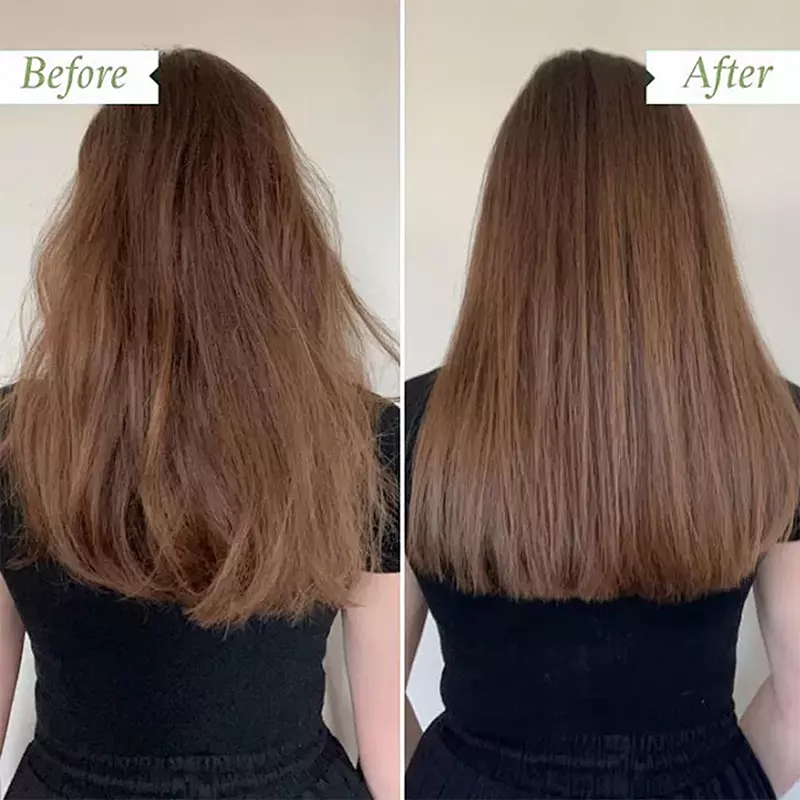
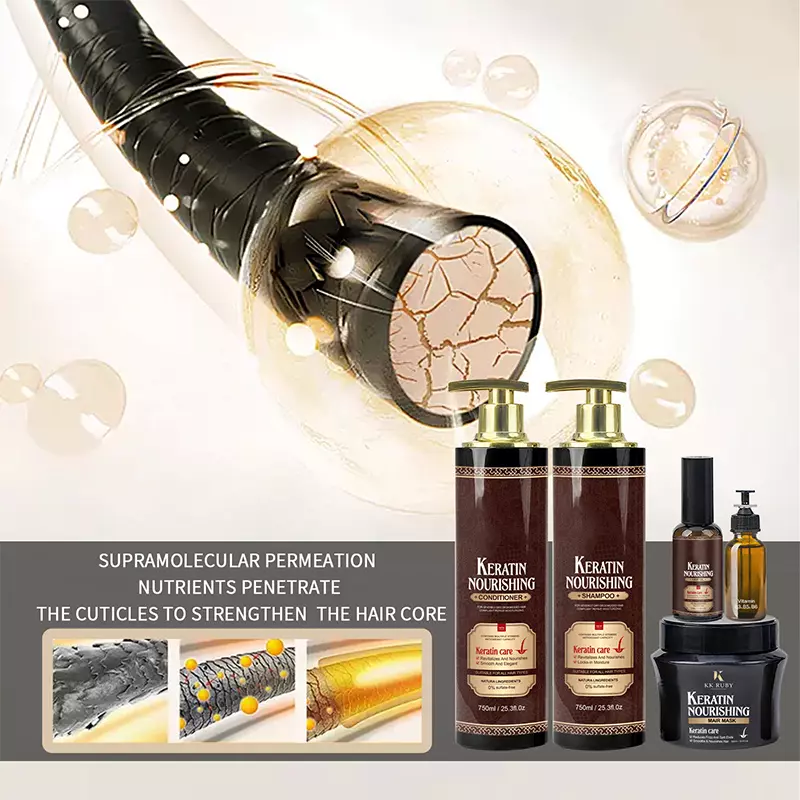
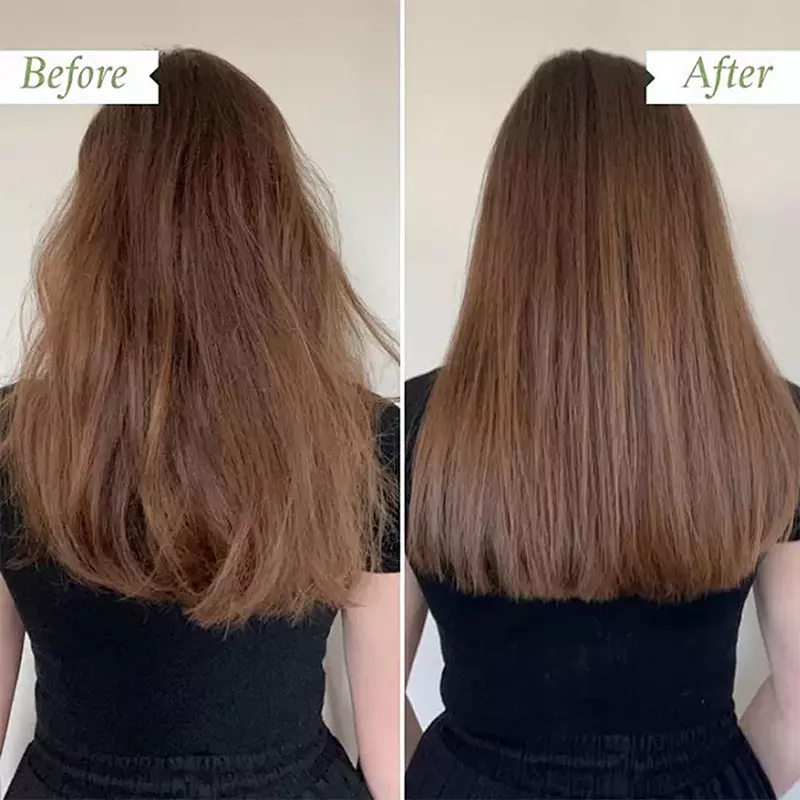
- High-end Salon-Grade Keratin Repair Series
- Customized Botanical/Sulfate-Free Amino Acid Shampoos
- Professional Hair Dye Solutions and Post-color Care Products
Don’t let your brilliant brand ideas remain just a business plan. Contact us today to get the latest 2026 hair care trend reports and secure your limited slot for FREE sample testing!
👇👇👇 📞 Global Business Cooperation, OEM/ODM Consultation & Sample Requests (WhatsApp/WeChat): +86 134 8026 8601