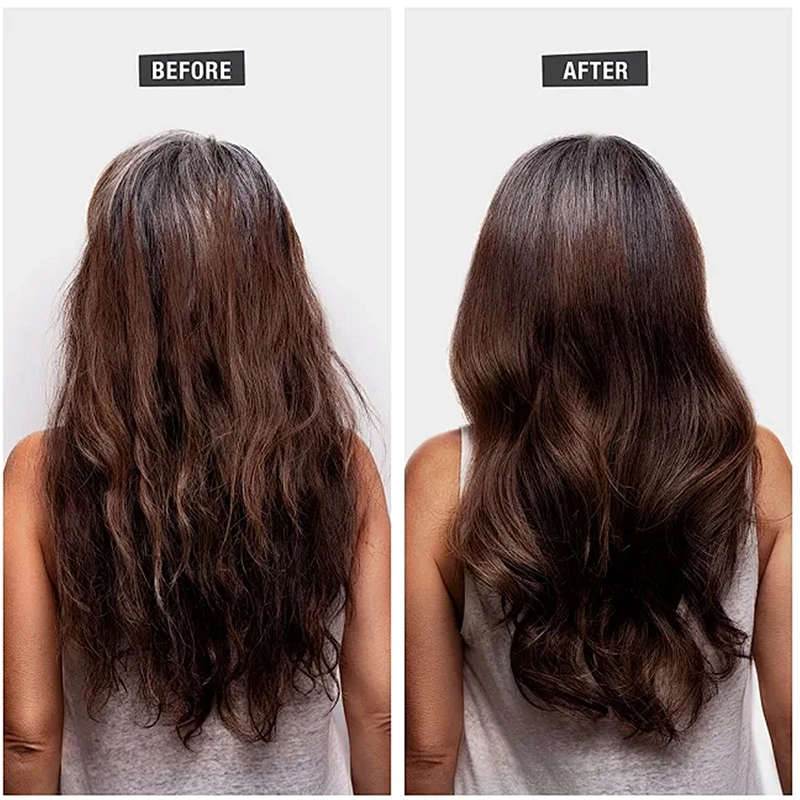
Say goodbye to surface shine—the 2026 hair care revolution is diving deep into genes, the microbiome, and cellular autophagy.
If you still think hair care is just “shampoo + conditioner,” you might be falling behind by 2026.
Over the past few years, skincare taught us about “vitamin C by day, retinol by night” and skin barrier repair. Now in 2026, the hair care industry is undergoing an unprecedented “skincare‑ification.” Consumers no longer look for just “good smell” or “instant slip”—they scrutinize ingredient lists the same way they do for their serums and moisturizers.
This year, the true dark horses in hair care are no longer single oils, but complex ingredients that blend biotechnology, neuro‑cosmetics, and microbiome science.
Here are the most trending hair care ingredients of 2026.
1. Recombinant Human Collagen
Keywords: Hair core repair, anti‑aging
By 2026, collagen has reached its peak in hair care—but not the traditional marine or bovine type. The star is recombinant human collagen, produced through fermentation technology.
- Why it’s trending: Traditional collagen molecules are too large to penetrate the hair shaft or scalp. The 2026 breakthrough lies in synthetic biology: brands now create small‑molecule collagen with a structure identical to human hair keratin.
- What it does: Instead of simply coating the hair, it penetrates deep into damaged hair cores, filling gaps caused by bleaching or heat styling. For scalp anti‑aging, it directly stimulates collagen production around the follicle, helping delay follicle miniaturization.
2. Postbiotics & Scalp Microbiome Modulation
Keywords: Scalp micro‑ecology, sensitive scalp, dandruff
“Silicone‑free” is old news; “sulfate‑free” is now standard. In 2026, the keyword is scalp microbiome balance.
- Why it’s trending: Research confirms that dandruff, itchiness, and even hair loss are closely linked to an imbalance in the scalp microbiome (e.g., overgrowth of Malassezia).
- What it does: Unlike probiotics (live bacteria are hard to stabilize in rinse‑off formats), postbiotics—the metabolites of beneficial bacteria—have become mainstream. They don’t “kill” bad bacteria directly; instead, they foster a healthy scalp environment by providing beneficial enzymes and antimicrobial peptides. In 2026, high‑end formulas containing Lactobacillus ferment filtrate and yeast ferment are replacing traditional anti‑dandruff agents like zinc pyrithione, offering gentler, long‑term stabilization.
3. Biomimetic Peptides
Keywords: Hair loss prevention, hair growth, signaling
Peptides have long been anti‑aging superstars in skincare, and in 2026 they have fully taken over the premium hair‑loss segment.
- Why it’s trending: Compared to pharmaceutical ingredients like minoxidil, biomimetic peptides (e.g., myristoyl pentapeptide‑17, copper tripeptide‑1) offer targeted action without side effects.
- What they do: These ingredients act as “messengers,” precisely signaling dermal papilla cells to enter the growth phase. In 2026, formulations with hair‑growth peptides are more stable, and delivery technology has advanced significantly. Consumers can now achieve microneedling‑like follicle activation through topical serums, without any risk of drug dependency.
4. Adaptogenic Botanicals
Keywords: Stress‑induced hair loss, cortisol regulation
In 2026, hair care is as much about emotional wellness as it is about physical care.
- Why they’re trending: Modern life stress raises cortisol levels, a major contributor to telogen effluvium (stress‑related shedding).
- What they do: Extracts like rhodiola, ashwagandha, reishi mushroom, and centella asiatica are now widely used in scalp serums. These adaptogens work locally on the scalp to neutralize stress‑induced free radicals and reduce inflammation around hair follicles. By 2026, “scalp de‑stressing” has become a distinct category, standing alongside “hair loss prevention.”
5. Upcycled Keratin
Keywords: Zero waste, vegan, sustainability
Keratin is not a new ingredient, but its source has undergone an ethical and technological revolution by 2026.
- Why it’s trending: Gen Z and Alpha consumers strongly reject animal cruelty and demand minimal environmental footprints.
- What it does: The star ingredient this year is upcycled keratin. It is derived from discarded organic materials such as oat hulls, almond shells, or soybean waste, hydrolyzed to create “vegan keratin.” This ingredient not only seals the cuticle effectively but also comes with a carbon‑negative or low‑impact eco‑label. For brands focused on ESG, this is an absolute magnet for conscious consumers.
6. Anti‑Pollution & HEV Light Shield Complexes
Keywords: Environmental damage, free radicals
With screen time at an all‑time high, 2026 has seen the emergence of dedicated “physical barrier” ingredients in hair care.
- Why they’re trending: Blue light (HEV) not only penetrates the scalp, damaging follicle stem cells, but also oxidizes melanin in the hair, causing rapid color fade and dullness.
- What they do: Exopolysaccharides from marine microorganisms and algae extracts are leading this space. They form an invisible, non‑sticky “shield” on the hair surface that reflects blue light and chelates heavy metal particles from polluted air.
Summary: 2026 Hair Care Trends
In 2026, the core philosophy of hair care has made a three‑stage leap: from focusing on the hair strand, to the follicle, and now to the microbiome.
- If you’re concerned about hair loss: Look for scalp serums containing biomimetic peptides and recombinant collagen.
- If you have a sensitive scalp: Focus on formulas rich in postbiotics and madecassoside.
- If your hair is damaged from dye or heat: Choose cleansing and care sets featuring vegan keratin and blue light protection.
🌿 Don’t Want to Fall for Marketing Hype in 2026?
Hair care trends move fast, and new concepts pop up every day. If you want to learn how to build a personalized hair care routine based on the latest ingredient science, or if you’d like to receive our exclusive “2026 Global Hair Care Ingredients – Red & Black List” PDF—
👇 Click the link below to join our private community for in‑depth reviews and insider perks!
📱 Scan or reach out via WhatsApp:
[WhatsApp ]
Message me on WhatsApp with the code【2026HAIR】to:
1️⃣ Get a free “How to Read a Hair Care Ingredient List” starter guide
2️⃣ Sign up for a “1‑on‑1 Hair & Scalp Diagnosis” session
3️⃣ Be the first to try trial sizes of the newest microbiome‑friendly hair care products from 2026
Let’s start from the top—science‑backed beauty that really works.